Neil's Monthly Book Club is my oldest and most popular email newsletter. Click here to subscribe.
Hey everyone,
How’s your air quality?
Buying masks again or skipping this round?
Last week our air in Toronto was worst in the world!
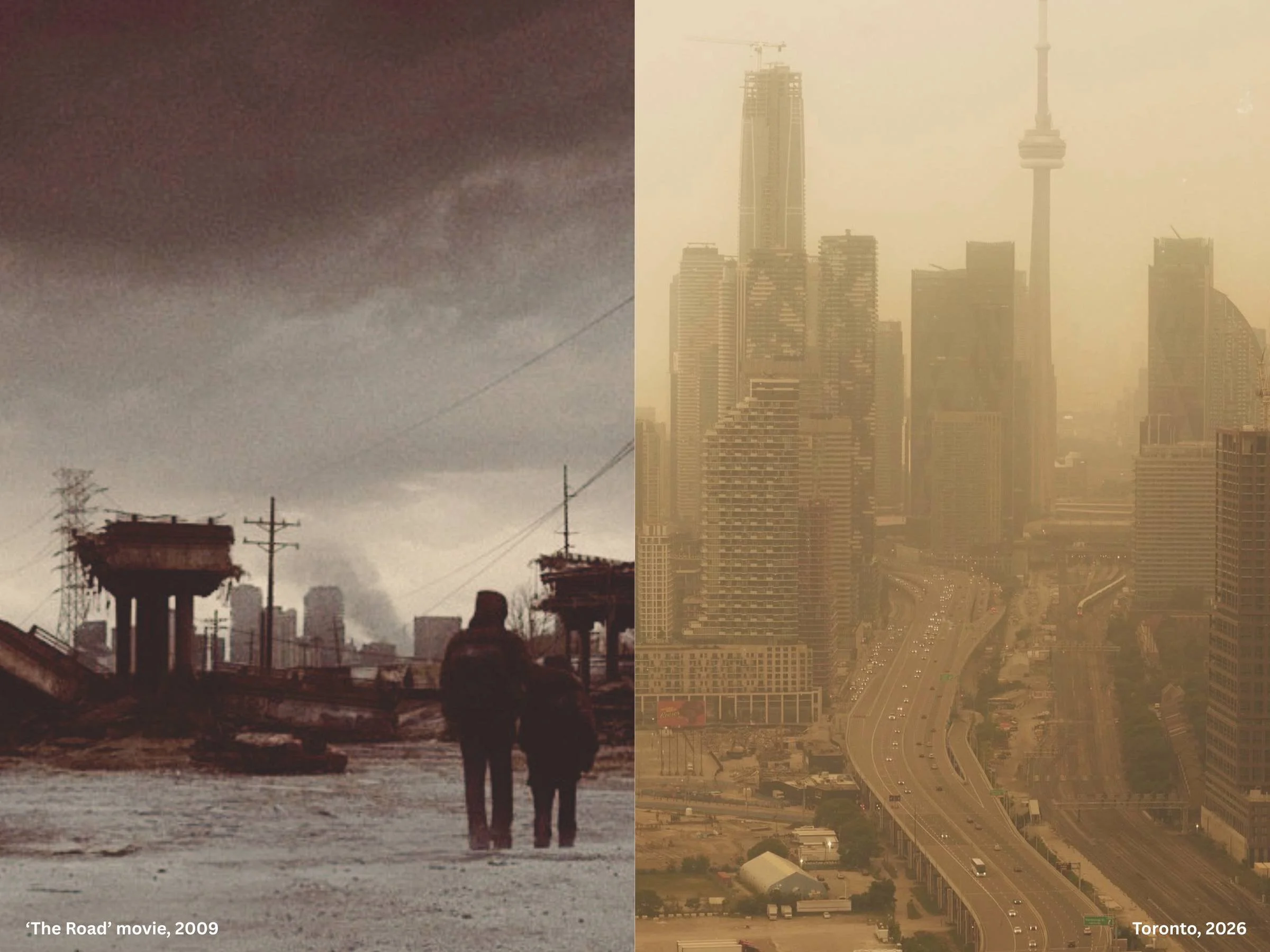
Nothing spells dystopia like the view out your window looking like ‘The Road’ (02/17).
Global environmental calamities feel sharper and shallower in the news. I like deeper takes like ‘Fire Weather’ by John Vaillant (07/23), ‘The World Without Us’ by Alan Weisman (07/24), and ‘Reason in a Dark Time’ by Dale Jamieson (02/24)—one of Jon Franzen’s most formative, btw.
I spent July with Leslie and the kids traveling around, playing cards, reading a novel about goodness, learning about ‘chatter’, and doing lots of long, slow read-a-louds at bedtime.
For the writeups, scroll down down down to the pic of me lying beside the books I read this month or feel free hang around up top—the lawn chairs in front of the shop!—where I’ll start with a mailbag.
(Btw: I love your letters ... and love hearing your voices, too. If I play your voicemail on 3 Books I’ll sign and send you any of my books. Give me a call me at 1-833-READ-A-LOT and tell me about one of your most formative books. (Yes, this is a real number! If it doesn’t work the first time, just drop the last ‘T’).
OK!
MAILBAG TIME!
First is a letter from my 95-year-old (!) friend Edward Packard, creator of ‘Choose Your Own Adventure’ series. He writes:
Neil, For a long time I’ve been hoping (futilely) to find something I disagree with you about. At last, success! The seven core beliefs in ‘The Power of Beliefs’ [4/26] are among the most vapid nostrums I’ve ever encountered.
All the best,
Edward
Ha! I loved Shawn’s book—he was just on Oprah!—but makes sense you’re already enlightened, Edward. :)
In response to my blog post last week on parenting like it’s 1999—get those here, btw!—Stan J. writes:
Hi Neil,
I am very disturbed by your equating social media bans for children under 16 as a sign of progress. It is not. It's really age verification for everyone--including you and every other adult, on every social media platform. This means handing more of your personal data to third parties, which will likely sell or leak the data to others. It erodes our privacy and it penalizes children for no good reason. I am disappointed you would see this kind of ham-fisted government intervention into our lives as a good thing. It makes me question everything you’ve said or espoused. A better course of action is to have governments regulate social media platforms, instead of letting them do whatever they want, but lobbying insures that will never happen under our current system. There is plenty of information out there on how regulation is the better path over mandatory age verification for all--look it up.
Very disappointed,
Stan J.
Damn! Thanks, Stan J. Compliments are nice but never as juicy as constructive criticism. (Hence #23 on this list!) I didn’t know how to reply so I, uh, phoned a friend. Two friends, actually! First up is the good Jonathan Haidt (“Height”), author of ‘The Anxious Generation’ (04/24), who writes:
Hi Neil,
We just happen to have put out a response to these concerns!
Most people don’t understand that:
--This is only about the moment of account creation, it is a one time check.
--Once a person has an account, nothing changes.
--No personal info is needed. There are many ways of establishing the answer to the question “is this person 16 or older” that don’t even give birthdate or name. Those methods are getting better and more numerous thanks to Australia creating a market.
--The Australia law specifically says that no company can require a government ID. They must offer other means.
Jon
Thanks, Jon! Really appreciate it.
Friend number two is the wise Lenore Skenazy, author of ‘Free-Range Kids’ (05/23), and co-founder (w/ Jon and Peter Gray!) of the incredible Let Grow movement. Leslie uses materials from the Let Grow movement in her school all the time.
Lenore, what do you say??
Here’s a piece of mine pub’d in The Guardian. It addresses phones as an “experience blocker,” as Jon puts it, but then looks at the original experience blocker: FEAR. The fear that has kept kids indoors or under constant supervision for more than a generation. HOW supervised? This Institute for Family Studies survey (published on Jon’s blog) found that even most parents of 14 year olds won’t let them LEAVE THE BLOCK!!! And yet this child development book from 1981 said neurotypical kids of age 6 should be wandering 4-8 blocks before they start first grade. WHAT A HUGE DIFFERENCE!
Today’s 14 year olds have a tiny fraction of the freedom 6 year olds had in LIVING MEMORY. So my comment would be whether you want the government to regulate age gating, algorithms, AI, or the entire online world, none of that is going to give your kid a “1999 childhood” unless you also OPEN THE DOOR. An old-fashioned, sprinklers, swimming and s’mores childhood had evaporated long before the smartphone was invented. So simply taking the smartphone away cannot return it.
Dammmmmmn. I so love this community. I love Stan J! We went back and forth a bit after this, too. And I love Jon H! And Lenore S! And the debate, and the learning. I do like where we’re heading. Maybe it’s clunky but I can’t help but think of Kevin K’s sage wisdom that “Over the long term the future is decided by optimists.” Say it again, Kevin!
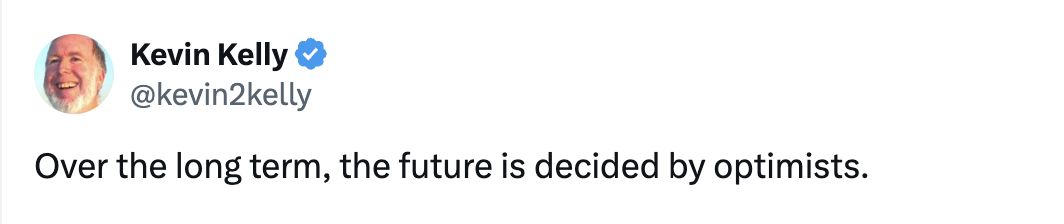
Amen! Like, for instance, on the Toronto waterfront?????? Right, Prime Minister????? (Also, LOLOL).
Okay, next letter! In response to Leslie’s Pick of ‘The Correspondent’ (05/26) Casey F. writes:
Hi, Neil, I read “The Correspondent” earlier this year at the advice of a coworker, and it sucked me right in. My Mom was a correspondent like that, writing letter after letter... Because of her letters, there stands a stop sign by my old elementary school. It was an unsafe intersection without any traffic control at all, and she wrote to the city multiple times to fix it. For decades, when we drove past it, she’d state “There’s my stop sign!”
When I got married, she sent me letters regularly—25 years of them until her death. And when we went to her apartment to do the things one does when someone dies, a last letter was on her desk, waiting for me, unfinished. The whole book felt like a visit from my Mom, and made me realize I hadn't sent as many notes and letters and odd little “hellos” as I would like. I’ve since changed a few things to increase my correspondence. It’s a good book, and I hope you read it after Leslie did. :)
Thanks for the book list; I always enjoy it.
Casey F.
Wow, thank you for sharing, Casey. Beautiful story. Much love to your incredible mom. “There’s my stop sign!” LOL. I would like the nobility of getting a stop sign installed—I know just the corner!— but so far I’m only able to say “There are my speed bumps!”, “There are my park garbage bins!”, and “There’s my bird wall!”. Leslie gets to say “There’s my crossing guard!” since she got one placed by the kid’s school. Call your city! Make the change you want to see! When we work together we build the cities ... and the countries ... we want to live in.
Shall we open one last one??? I do love a good Letters. Let’s finish off with Joan M.:
Hi Neil!
I super enjoy getting your monthly book club suggestions!I LOVE TO READ! Just finished a wonderful book: ‘Encyclopedia of an Ordinary Life’ by Amy Krouse Rosenthal. I loved it! Lots of observations of everyday things. I always like to know more about the author when I am reading a book (especially a good one!) and before I finished the book, I googled her only to find out she died in 2017 :( I was really saddened by this because I thought of emailing her!
Keep doing what you are doing! And by the way, I read 53 books last year. Trying to top that for 2026!
Joan M.
Awww. Thanks for the reco and I so hear that, Joan. I started 3 Books in March, 2018 and made a “dream list” of guests to invite. In my top 5? Tom Wolfe. He died two months later. Not saying he would have said yes but just ... praise be to authors everywhere! If a writer you love is alive ... reach out! Tell them. Write to them. It matters. And, often, they'll write back. As Dave Barry told us in Chapter 9, that's the great thing about this republic of letters. Unlike the worlds of movies or sports or TV ... you can usually talk to them! If they're alive, of course. Rest in peace, Amy and Tom. (And congrats on 53 books, Joan ... that's hardcore!)
OKAY!
NOW!
SHALL WE GET TO THE BOOKS???
LET’S SHALL!!!
Neil
P.S. Invite others to join us here.
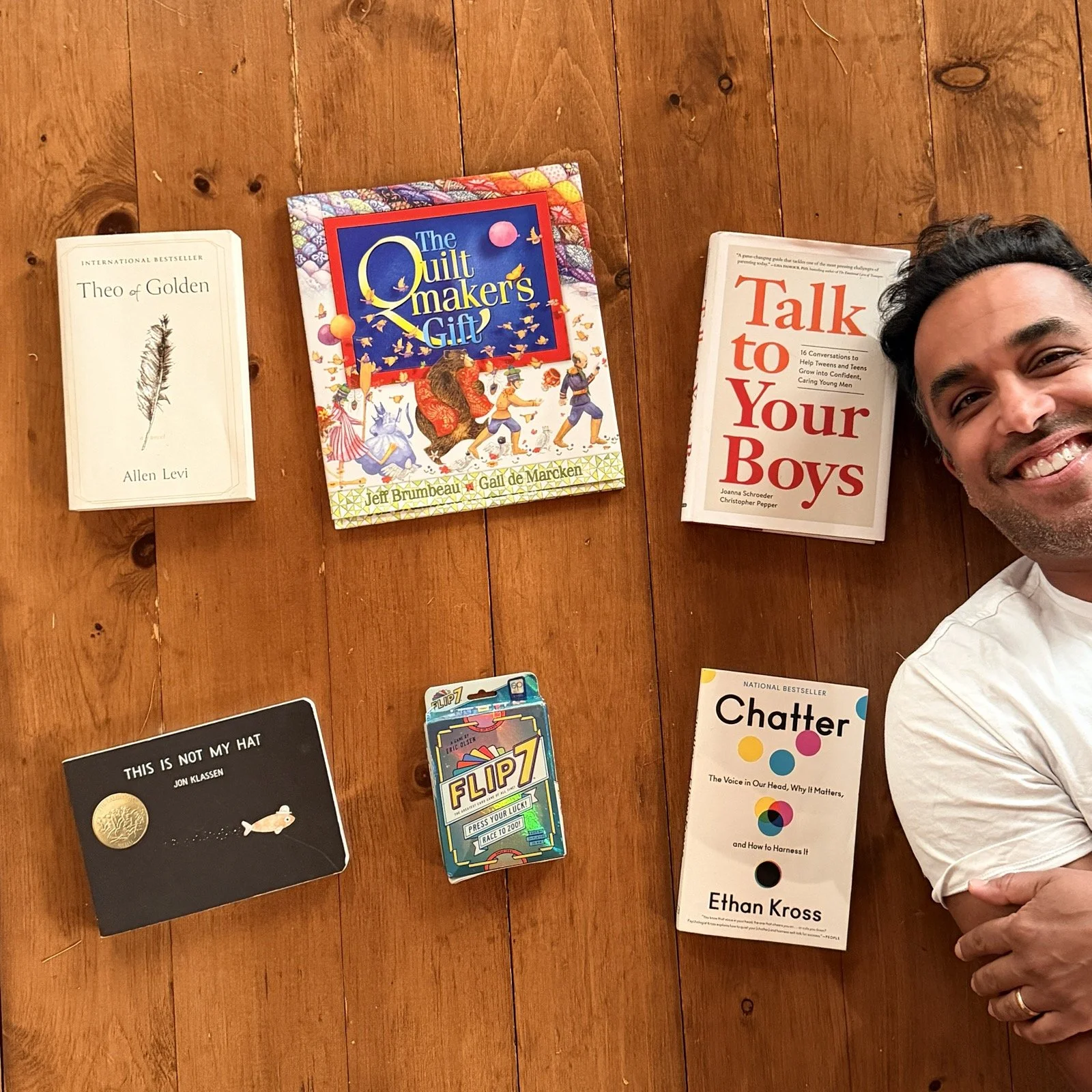
1. Theo of Golden by Allen Levi (b. 1956). How do you pick what to read? Publishers say “discoverability” is a huge issue with books. I agree! 1000s of new books come out … every week! No chance to keep up. So how do you choose??? Some follow a big book clubber like Oprah, Reese, Heather, or Ryan. Some are active GoodReaders who follow friend's reviews—I’m on there too, btw! And, I think most commonly, I get some variation of “I … hmm… I don’t really know”, which, to me, sort of translates as word of mouth. Like someone said to read this, then you heard about it again from this other guy, then you saw it some place, then someone suggested you borrow their copy. “Books have legs,” one snappy publicist told me as she wheeled me around Seattle in her Corolla. I love that phrase. They do! When people read a book and love it, they love sharing it. Feels like sharing part of yourself. That’s how I found this book. Dianne C., Dave E., many others emailed me suggesting I pick it up. ‘Theo Of Golden’ certainly has legs. It’s a word of mouth phenomenon! I saw it on the front display of McNally Jackson last month and now good ol’ Oprah is talking about it! And though the characters are simple, even cliché, and the story at times feels like a Hallmark card come to life, there is an intoxicating energy of goodness, along with its much-more-rare-in-books cousin gratefulness, permeating throughout. The end result is a cozy and unpretentious place to hang. And I’ll add it’s a nice balm against late night anxiety. Did you just scroll through a bunch of headlines? Ugh, me too. Now open this book and it will help. Aside from a few quick flashbacks, the whole thing takes place in a small town with a little square, water fountain, coffee shop, and bookstore. Gilmore Girls vibes. With plot pieces that eventually click together like LEGO, we follow an 80-something stranger named Theo—mysteriously going by his first name—as he shows up in Golden, Georgia (modeled after Columbus) to embark on a clandestine mission of giving pencil portraits purchased from the wall of the local coffee shop to the people in them. One at a time. At the fountain in the town square. And, you know, we live in an era of walking by each other with AirPods, staring at our screens, ordering everything online, not knowing our neighbours. This book is the opposite: small connections, space to listen, time in shops, deepening conversations. Malcolm Gladwell told us years ago one of his most formative books was ‘The Blind Side’, because to him it’s the tale of the good Samaritan. If / when I have a bookstore, maybe I’ll create a category called Good Samaritans and add this book beside that one. Religious but not preachy, I’d say this is a Chicken Soupy read perfect for teens, college students, people feeling disillusioned, or anyone looking for a gentle steer to help them focus, or refocus, on the positive.
2. The Quiltmaker’s Gift by Jeff Brumbeau (b.1955) and illustrated by Gail de Marcken. A few months back I was sitting in a coffee shop when two old ladies beside me started gushing about their favorite picture books. One was ‘The Button Box’ by Margarette S. Reid (02/26) and the other was this gem. It’s a fantastical story about a quiltmaker and a king.
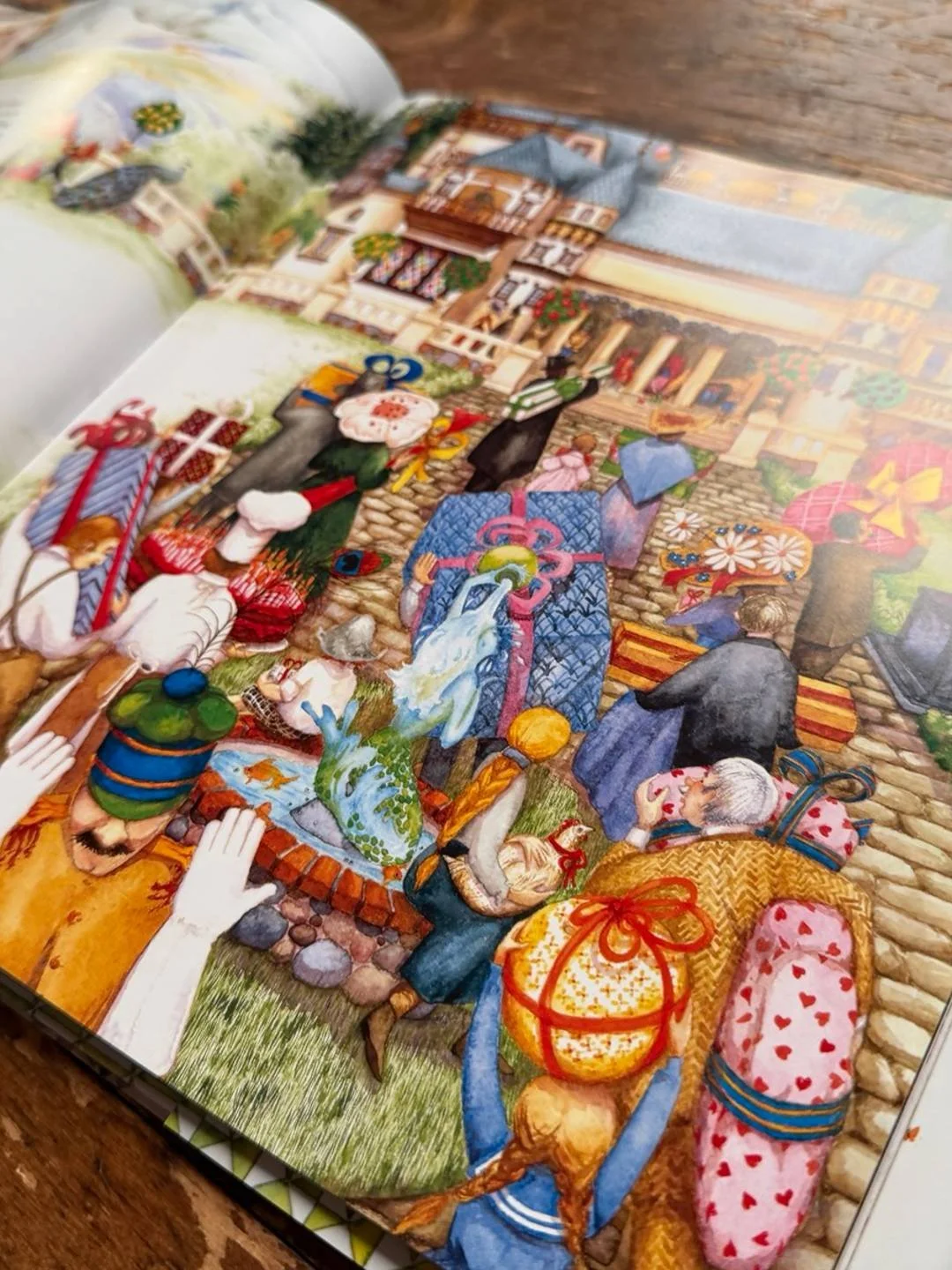
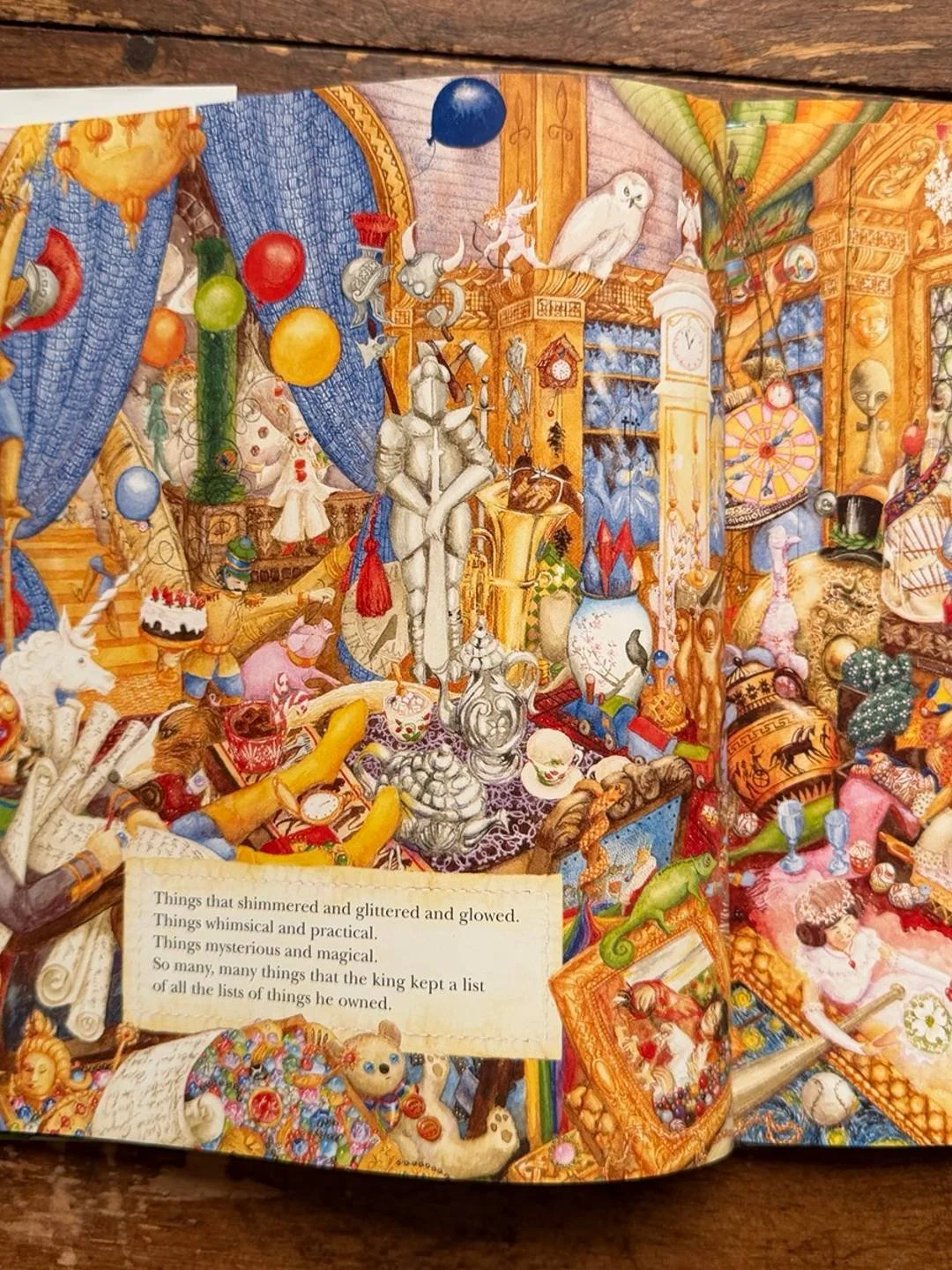
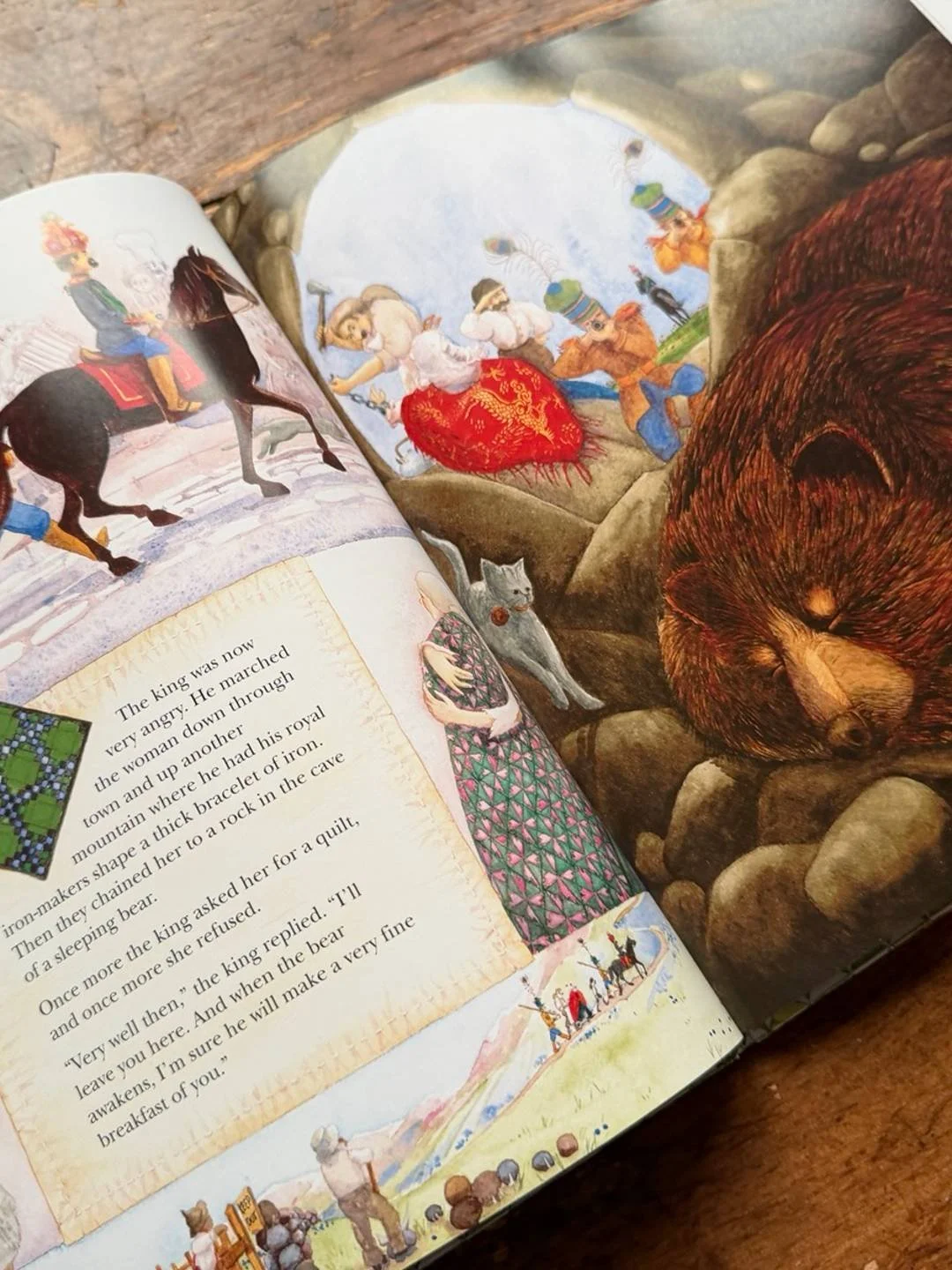
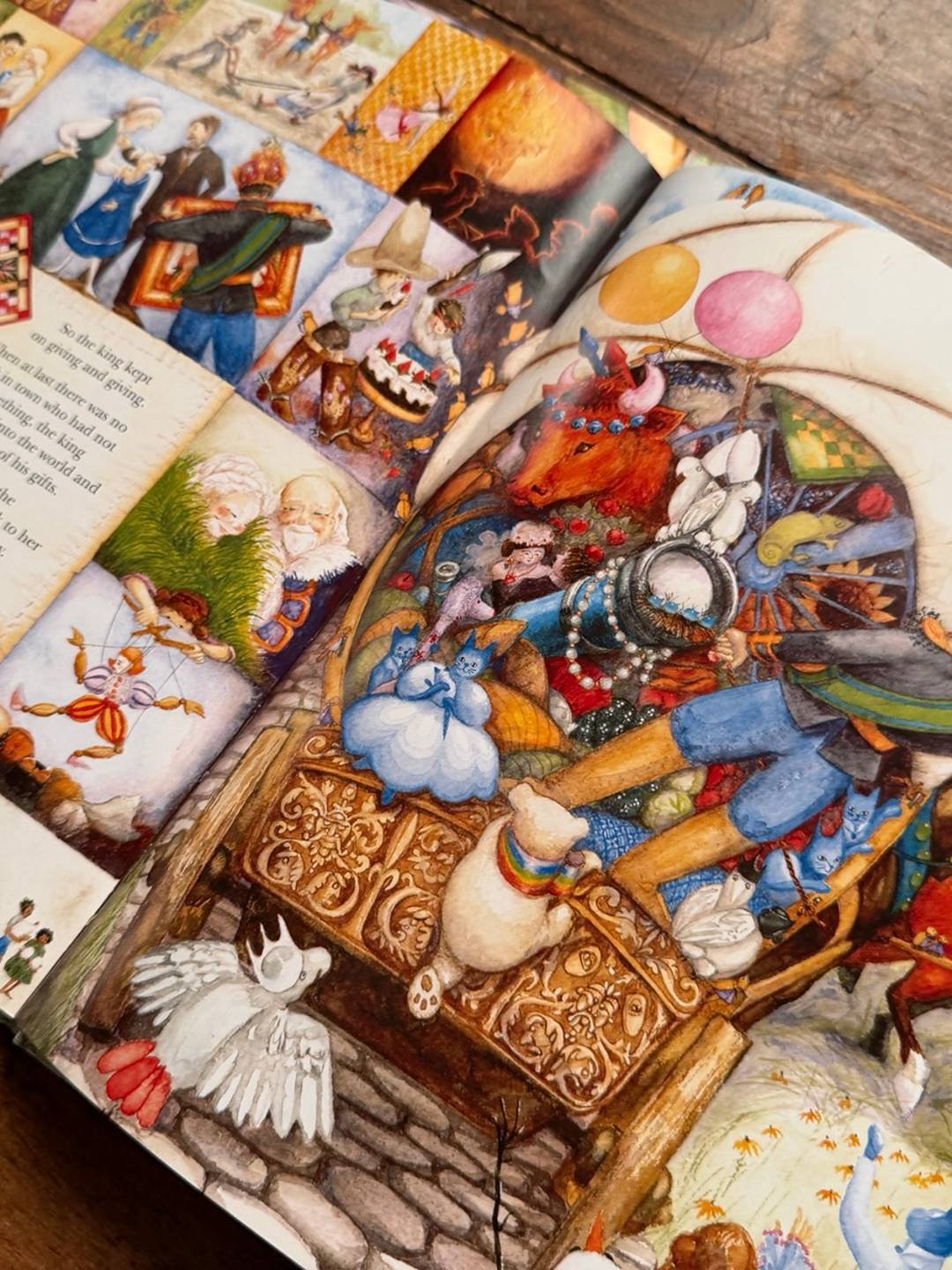
A long story! Prepare to spend half an hour if it’s your bedtime book. The quiltmaker makes quilts for pleasure and gives them away at night to the needy. The king collects treasures, fills his castle with “a merry-go-round with real horses” and “a hundred waltzing blue Siamese cats” and a “dozen fish as clear as glass”, and so, of course, this dude wants a quilt pretty bad. But the quiltmaker only gives them to the actually needy, so she tells him sure, sure, you can have a quilt ... once you’ve given away all your stuff! So begins a staggering battle of wills that ends in the king slowly learning the pleasures of giving rather than receiving and the true meaning of a rich life. Overly simplistic? Yes. Moralistic? Definitely. But with complex and entrancing illustrations and a twisting story full of endless surprises—like when the quiltmaker is chained by the king in a bear’s den but then makes the bear a pillow out of pine needles to win him over—this is a magical read that will entrance people of all ages. Originally published in 1999 and vastly underrated. Always trust 25-year-old picture books suggested by old ladies in coffee shops. (PS. Read it first on YouTube here, if you like.)
3. Talk To Your Boys: 16 Conversations to Help Teens And Tweens Grow into Confident, Caring Young Men by Christopher Pepper and Joanna Schroeder. Last month a package arrived at our house and I watched Leslie open ‘Notes on Being a Man’ by Scott Galloway, flip through it for a few minutes, then place it on one of my topply tsundoku piles. Sorry, Scott, our adage over here is quit more to read more! If the book doesn’t pass The First 5 Pages Test or The 5 Minutes Of Flipping Test—and there’s no right or wrong way for it to pass or not pass—then, yeah, quick! Quit! Immediately! Onto the next one! There are too many books to linger. Later that week I noticed Les reading this book before bed so I asked if she’d write it up for a Leslie’s Pick. She said she would on one condition: I have to read it by the end of the year. We agreed and here’s her review now. Over to you, Les: “I grew up with two sisters, run girls groups at work and mothers groups at home, and love being a woman and connecting deeply with my (almost entirely) female friends. Sure we’re living in a post-gender binary world, but there’s some part of me that feels like supporting the emotional landscape of girls is more obvious, being one myself and having many deep connections with so many women in my life. AND, at the same time, I’m the mother of four boys (at least for now they all use he/him pronouns) and as a result I have become deeply fascinated, and motivated, to learn how best to care for their feelings, support their emotions, and help them become men with strong mental health. So, when Lisa Damour (who I follow and love) recommended ‘Talk to Your Boys: 16 Conversations to Help Tweens and Teens Grow into Confident, Caring Young Men’, I ordered it instantly and it is now chock full of my notes and underlines. Schroeder and Pepper write that, “Parenting, when done consciously and with compassion, is a form of activism,” and this book is providing me with all the evidence and tools to do what matters most to me. Research shows that, although they have just as much going on in the hearts and minds, parents stop talking to their boys about their inner worlds (while they keep talking to their girls), interpreting monosyllabic replies, shut doors, or time spent on video games as a message that they don’t want (or need!) to talk. Thankfully, ‘Talk to Your Boys’ has quotes from teenage boys revealing that what they want is quite the opposite—for their parents to keep talking to them and to help them navigate the pressures and stresses boys face as they grow into men. Amazing tips on communication and detailed instructions on how to discuss topics like masculinity, pornography, dating, friendships, values, and more. Written in an easy to digest way, with bulleted lists, scripts, and key takeaways, this book will be a constant reference for us as we raise our sons.” (PS. For a full list of Leslie’s Picks go here.)
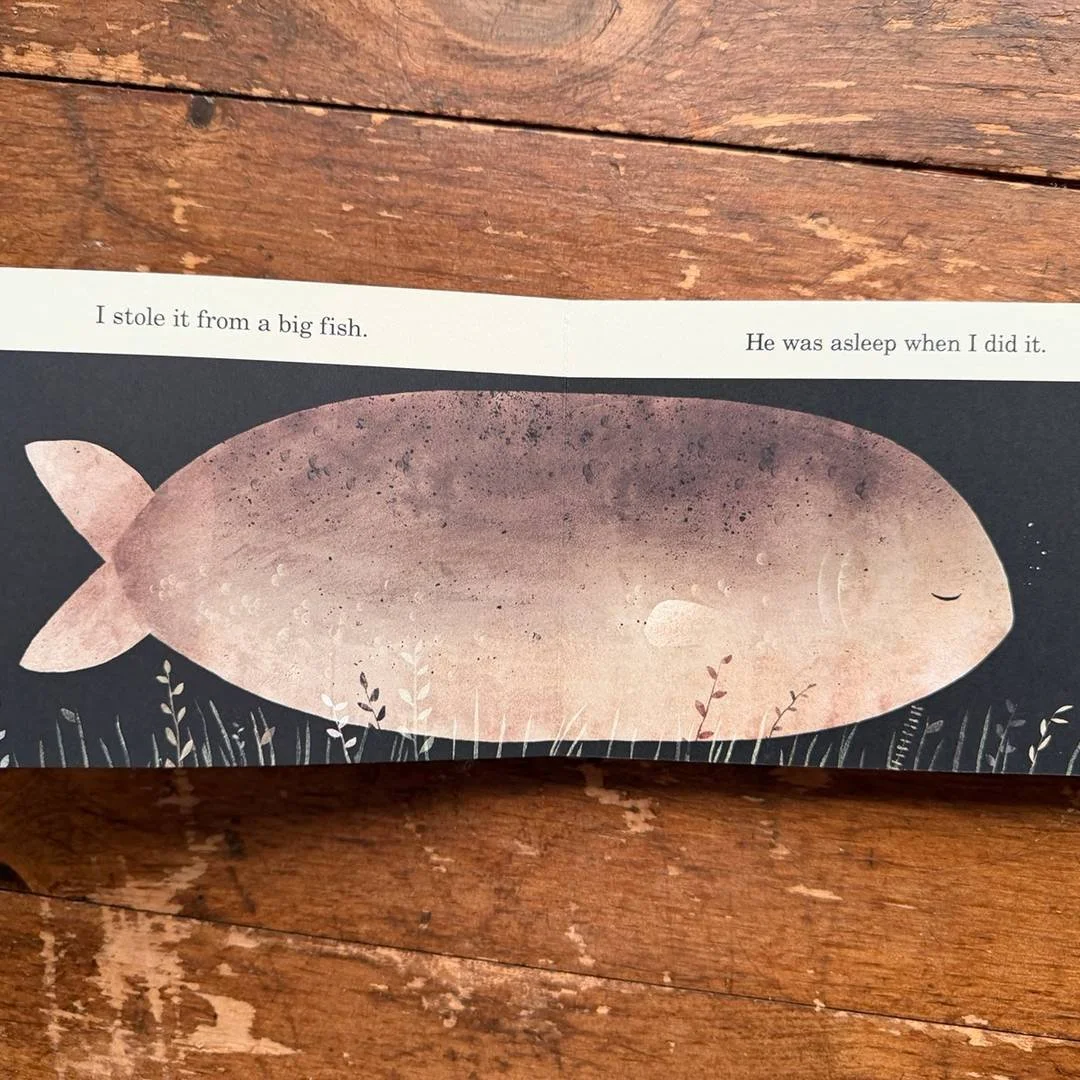
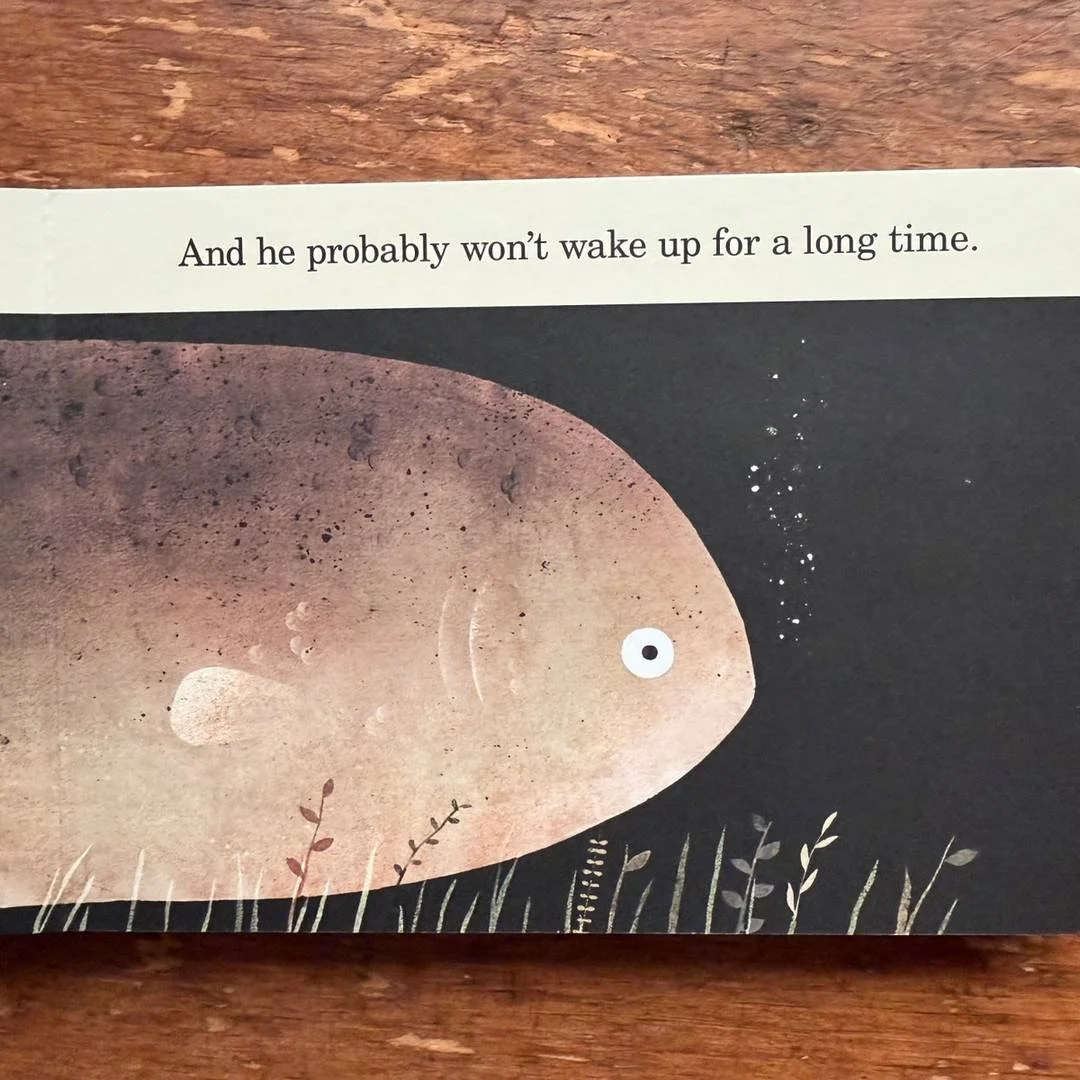
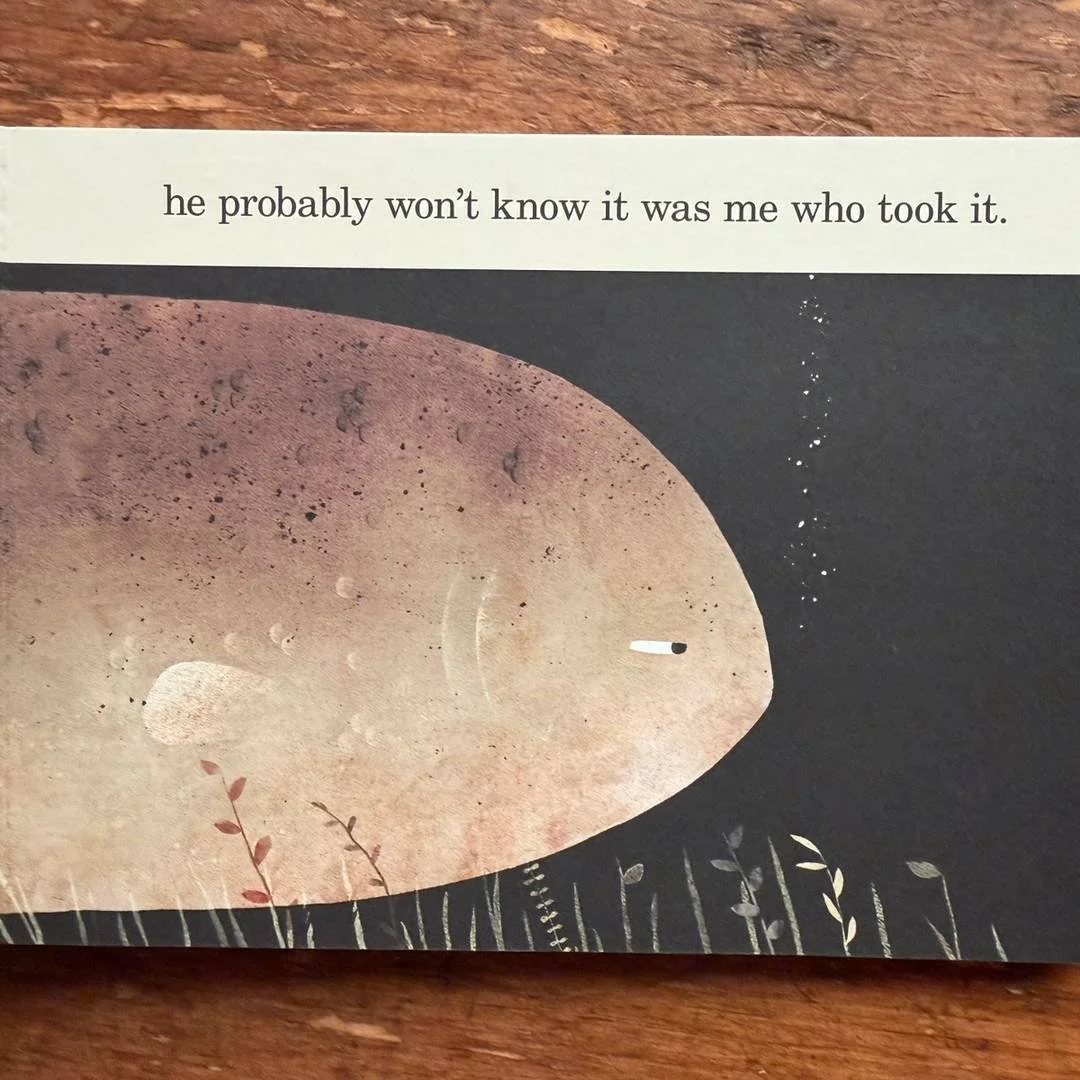
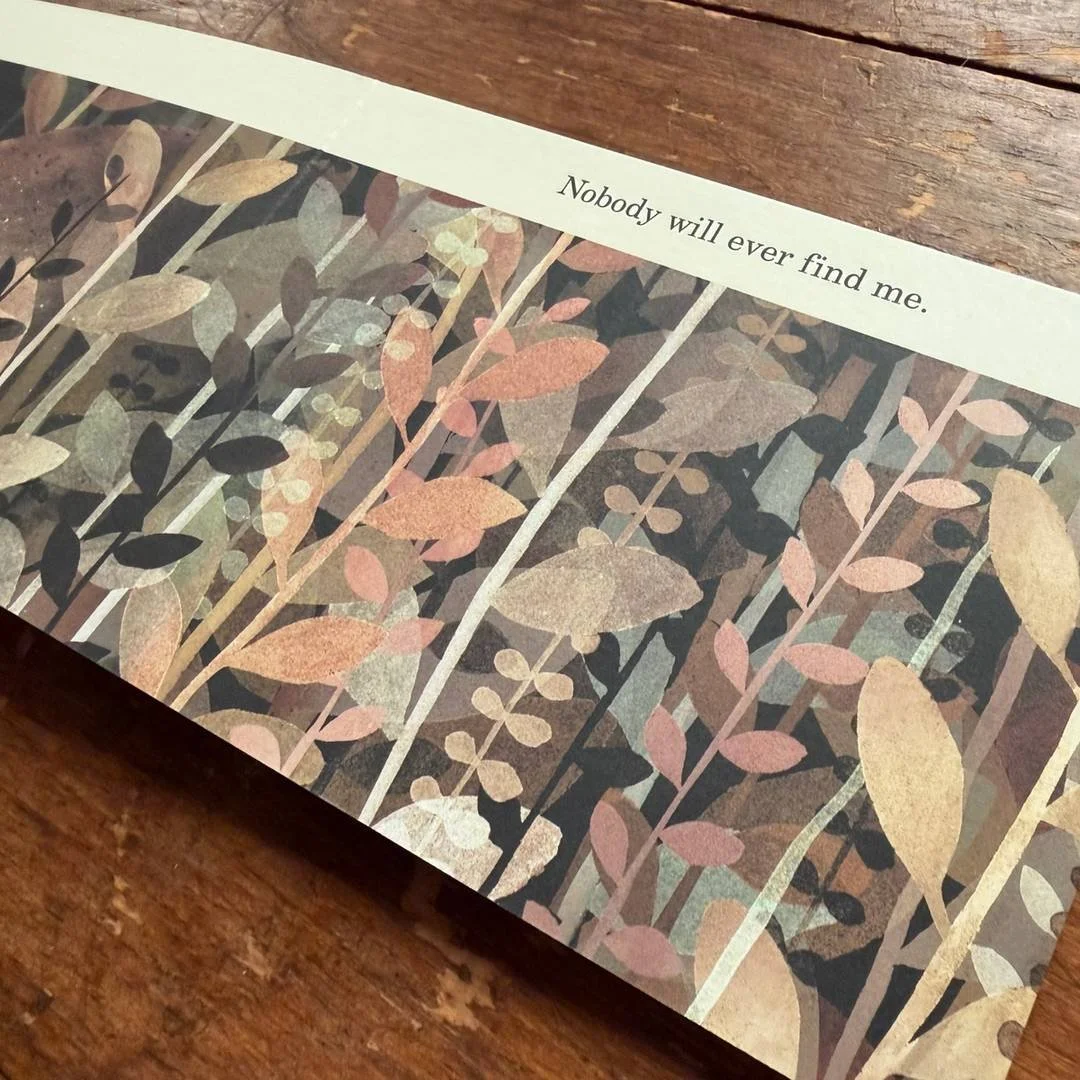
4. This Is Not My Hat by Jon Klassen (b. 1981). At 10:35am this Wednesday, July 29th, the moon will once again be completely full—happy Buck Moon, everyone!—and on that exact minute I will be dropping Chapter 163 of 3 Books featuring Jon Klassen. I’m pretty sure my introduction to Jon was via this 2012 book, narrated by a little fish who steals a hat from a big fish and then swims away to hide from him. We follow the big fish in scenes the little fish is still narrating, and the end result is a simple tale with layers of darkness, humor, and pathos. There are no words over the last six pages—such courage, Jon!—as the big fish swims into the weeds with his hat on, resulting in an open-ended finish with themes we don’t usually get in picture books. Stealing! Lying! Murder!?!?