Neil's Monthly Book Club is my oldest and most popular email newsletter. Click here to subscribe.
Hey everyone,
Hope you’ve had a wonderful June.
School screeched to a halt up here yesterday and our World Cup fever continues. We are updating the World Cup grid on our wall after every game. Congrats to those advancing to the Knockout Stage including Mexico, Brazil, the US, and—for the first time—Canada!
Fresh listens are up on the pod with Yann Martel and Michael Bungay Stanier, a few beach reads I recommend and, as always, reviews of the books I read this month below...
Let’s get to it!
Neil
P.S. Invite others to join us here. All my stuff is 100% handwritten from me to you—no ads, no AI—since 2008.
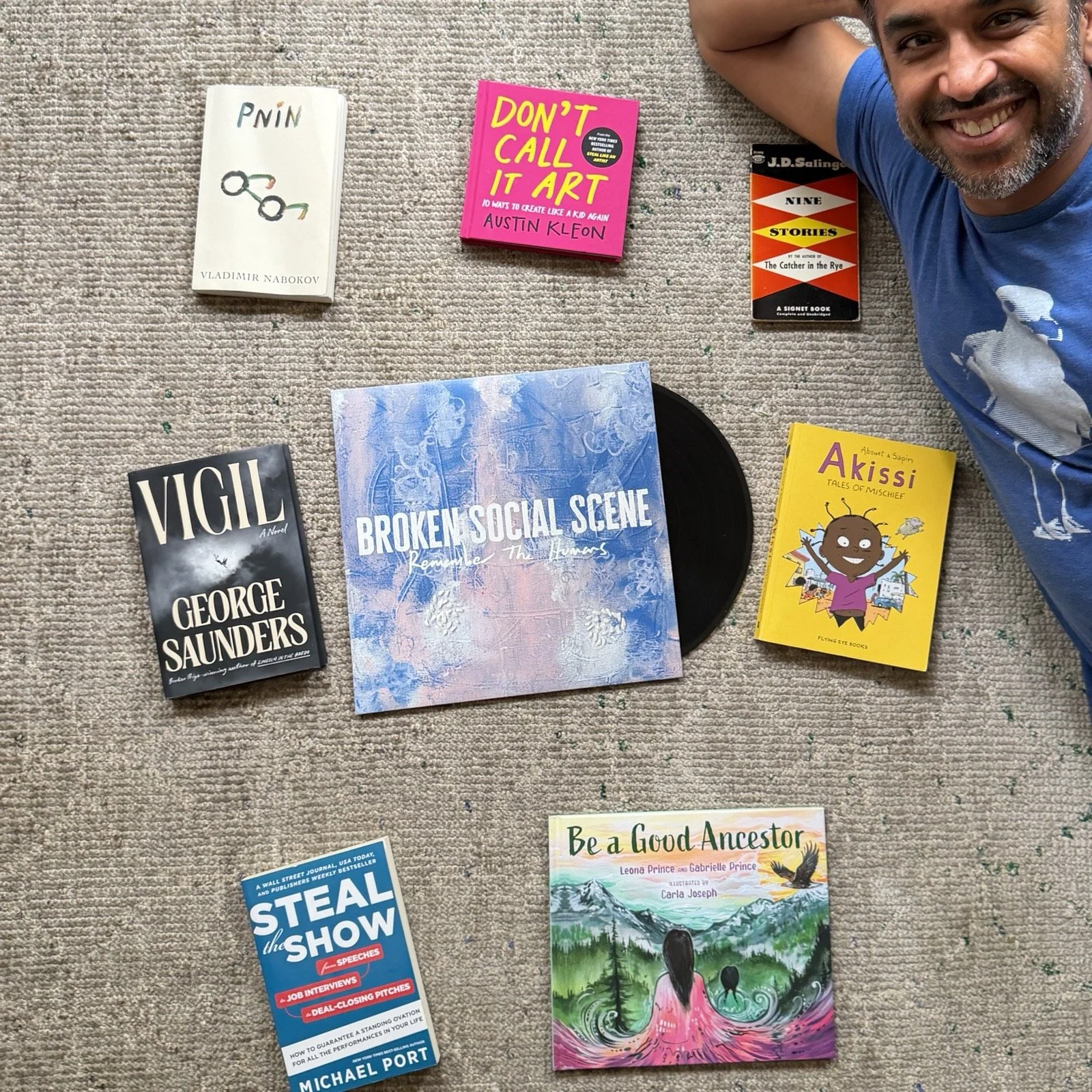
1. Pnin by Vladimir Nabokov (1899-1977). I finally visited McNally Jackson in New York this month. For years, people have been telling me this is the best independent bookstore in New York City. Might be an understatement! It even outshines The Strand. Everything clicks, from their opening table displays to color-coordinated stationery to the unique return policy (“Returns accepted within 14 days if in mint condition”). They have five locations now and I went to the “oldest and newest” (per bookseller Jack) at 134 Prince Street in SoHo. Here are a few pics that certainly don’t capture the magic of browsing there:
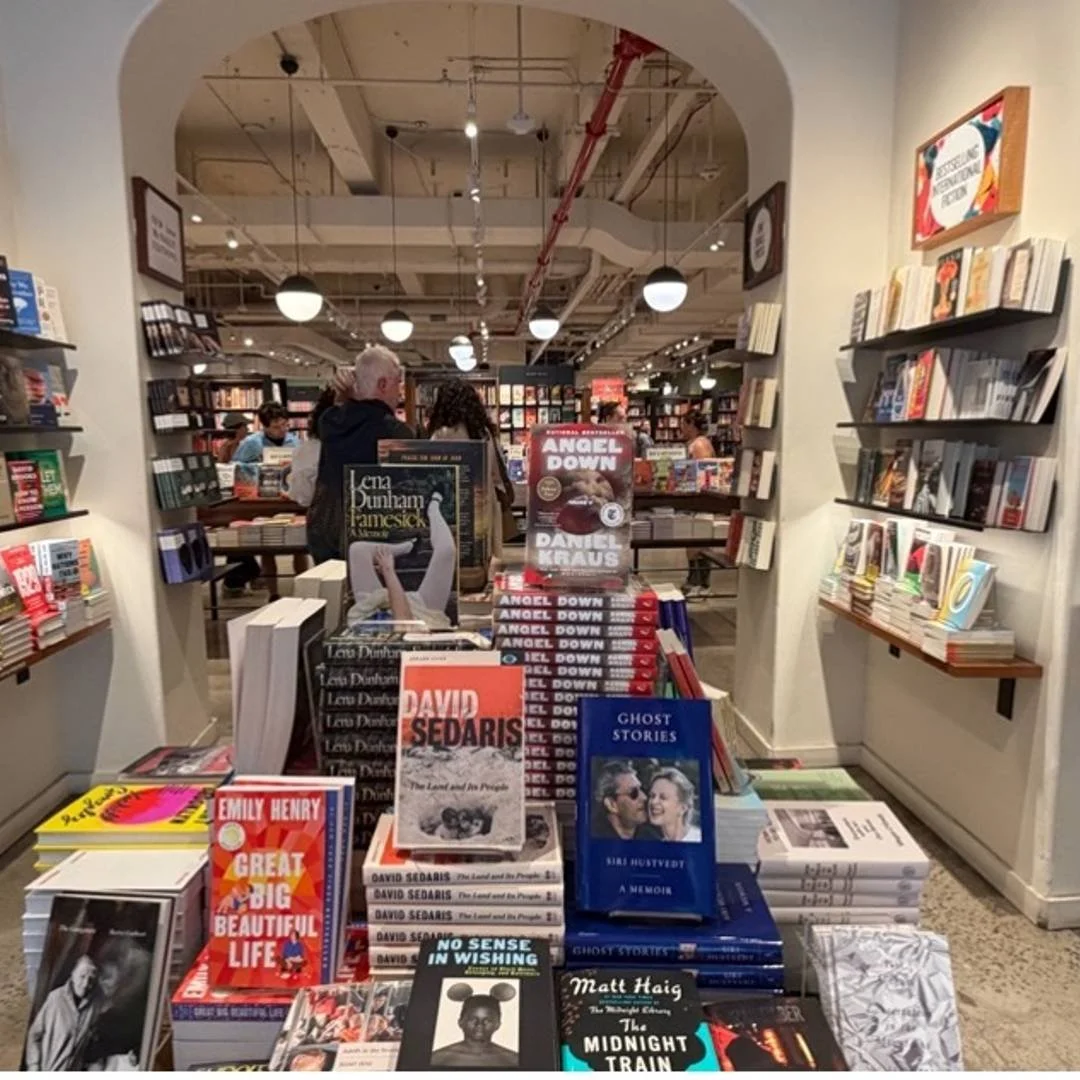
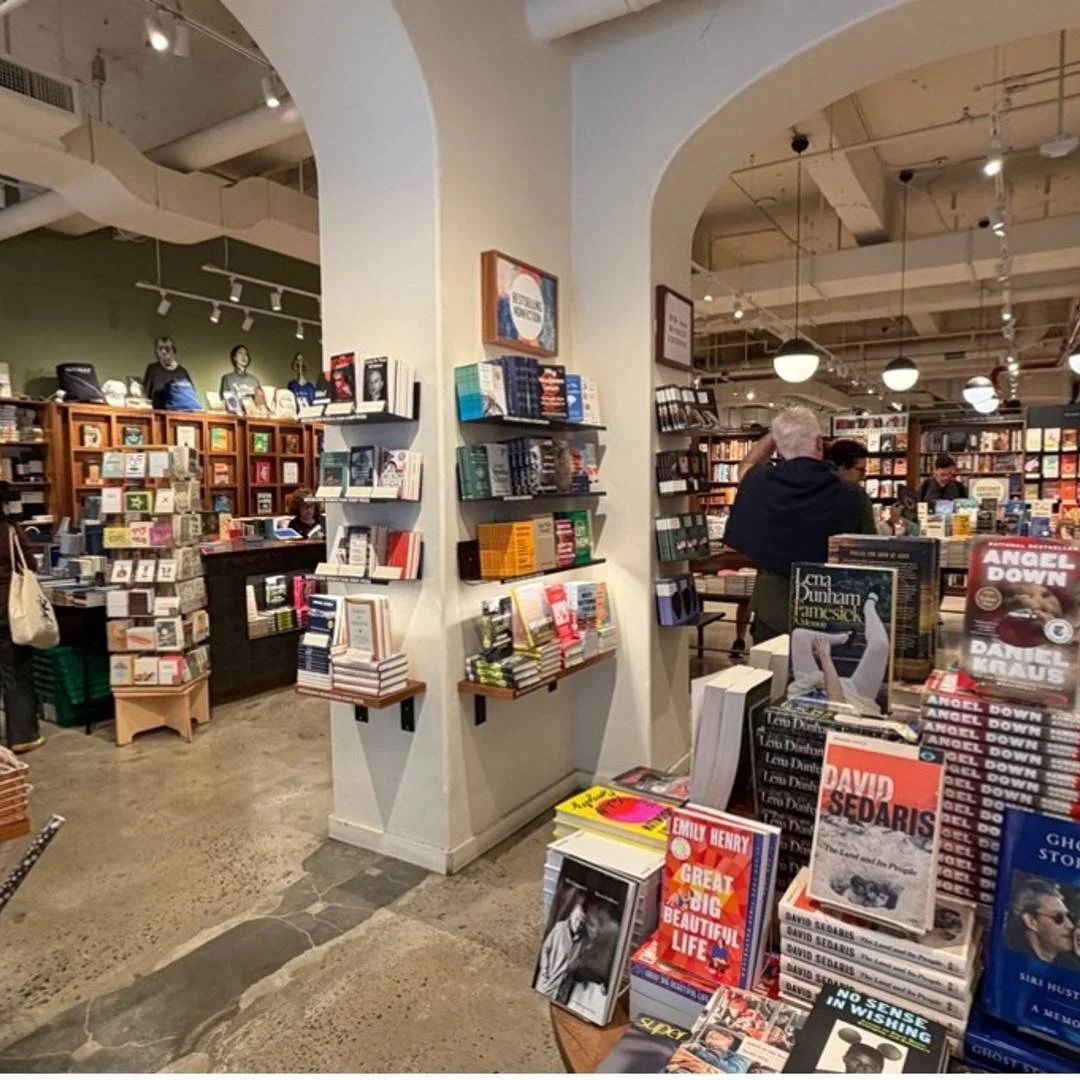
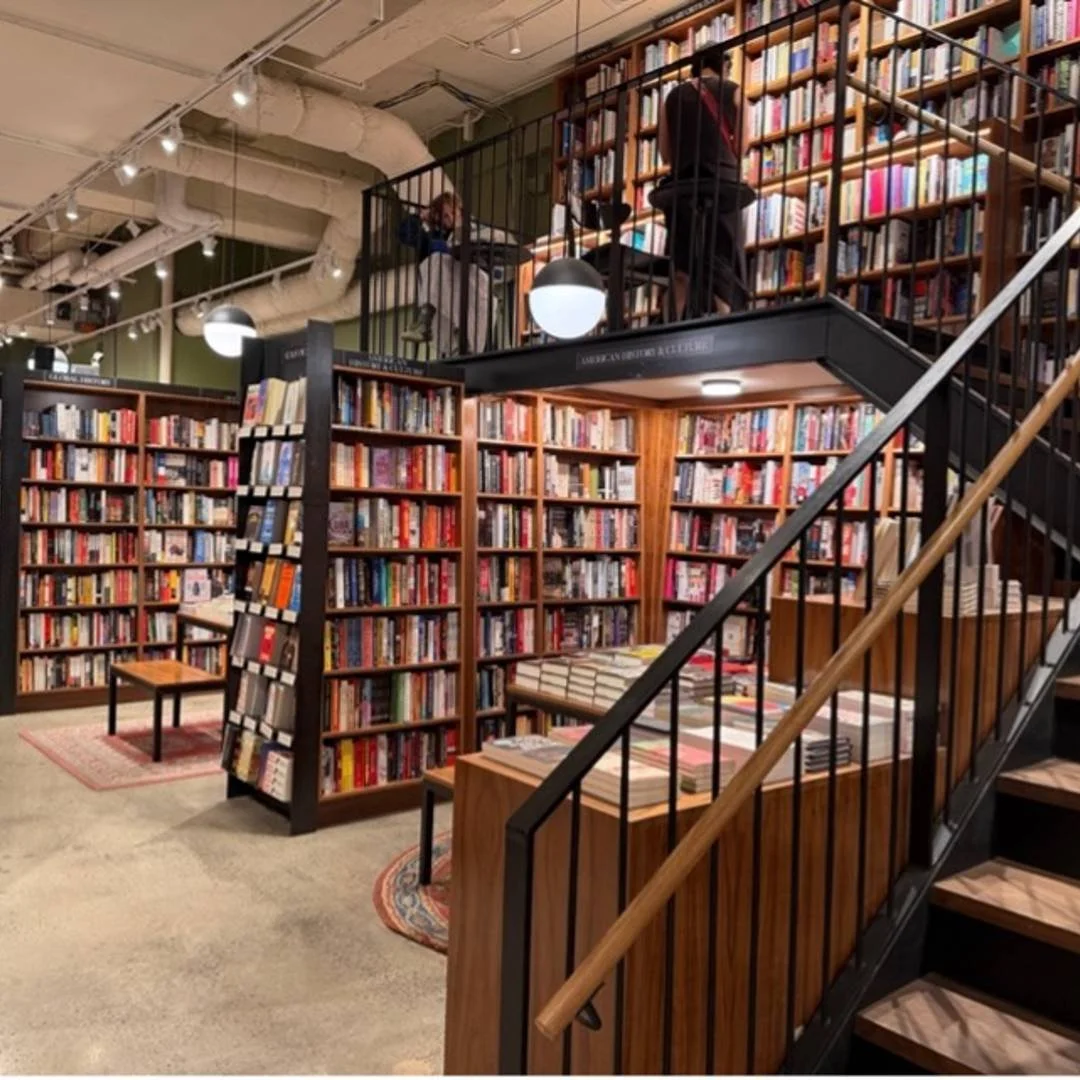
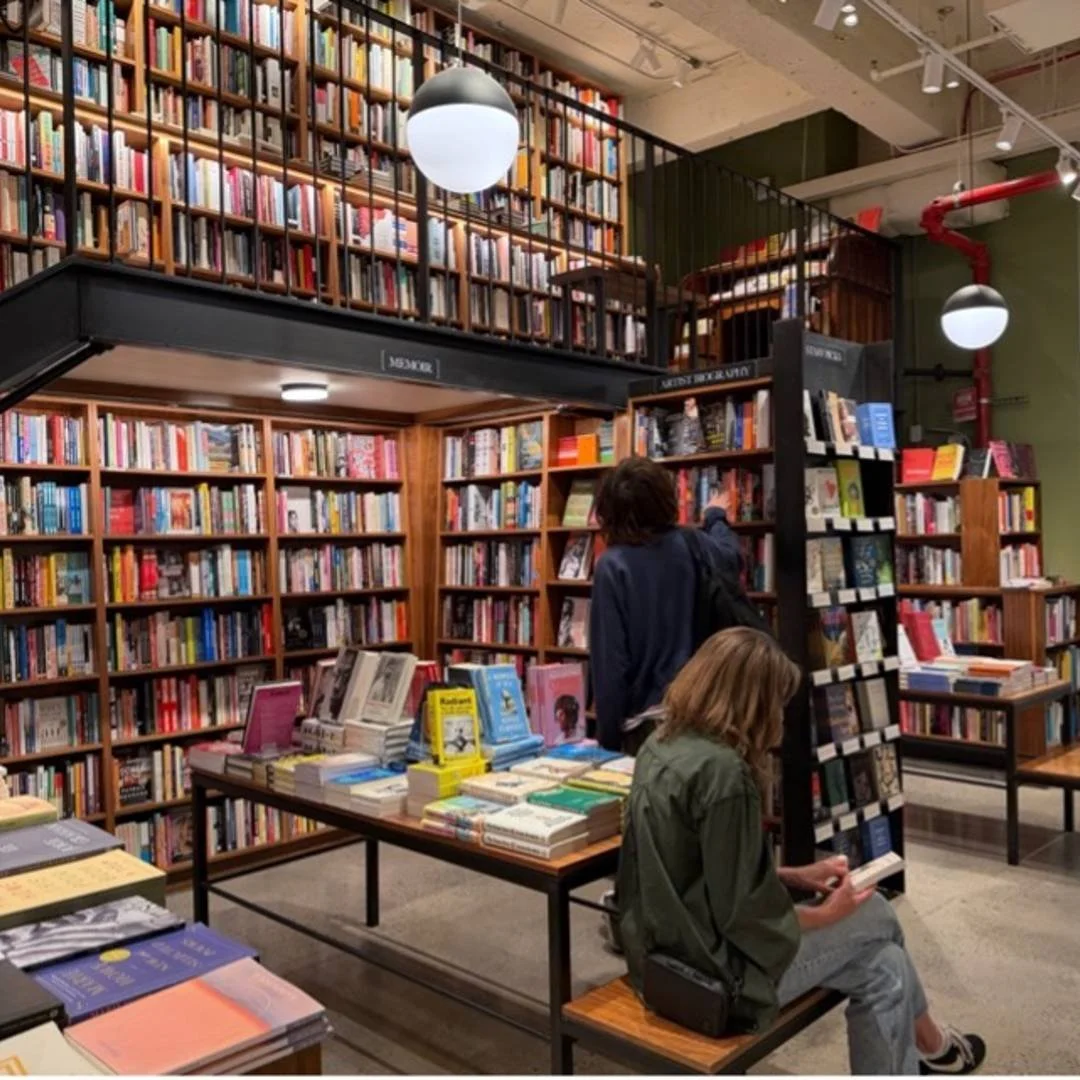
The incredible founder Sarah McNally was 29 when she opened the first location. Her parents, Paul and Holly McNally, ran McNally Robinson independent bookstores in Winnipeg, Manitoba from 1981 for 31 years, until selling it to their staff in 2012. I picture Sarah at age 6 watching her parents set up this new shop and growing up in the aisles reading everything she saw. McNally Jackson, her beautiful cross-border spawn, has its screws on so tight. Cheryl at the front cash told me she’s been working there for 19 years (!), said Sarah is still the sole buyer and tastemaker for the shop, and that Sarah’s dad would fly down from Canada to help carpenter the whole store together. Generational bookstore know-how! Magical stairways down to a Willy Wonka-esque basement, little steps up to book balconies, incredibly curated ‘place-based’ literature (James Daunt special!), and genres broken down, down, down into their smallest and most thoughtful bits. Oh, and Staff Picks! So many staff picks. Entire shelves! And every pick adorned with a perfect little typed cue card with a note from a McNally Jackson bookseller. I was captivated by the card under ‘Pnin’ which read:
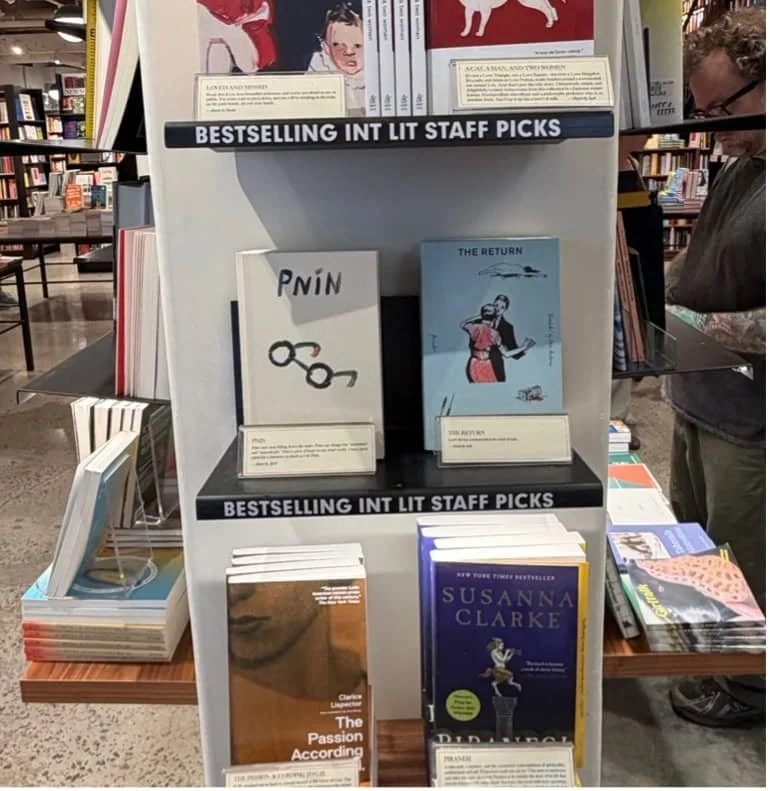
“Pnin can’t stop falling down the stairs. Pnin says things like ‘nootrition’ and ‘cata-stroph’. Pnin is pure of heart in our cruel world. I have never cared for a character as much as I do Pnin. — April.” I picked up April’s suggestion and enjoyed the bumbling, charming tale of the Russian émigré Professor Timofey Pnin, presumably modelled on Nabokov himself, figuring out life as a professor in the US. The book is told from the perspective of a narrator who is not revealed until near the end (what a feat!) and, of course, the joy is the writing itself. Listen to the sentences! Like on Page 17 where, “A hot, torpid expanse of cement and sun lay beyond the geometrical solids of various clean-cut shadows.” And Nabokov’s particular brand of humor, like on Page 21 where, “He never attempted to sleep on his left side, even in those dismal hours of the night when the insomniac longs for a third side after trying the two he has.” Funny, but not ha-ha funny, more just … askew. A slow, patient, bumbling, energy. You sympathize with Pnin. He reminded me of Mr. Hatch from ‘Somebody Loves You, Mr. Hatch’ by Eileen Spinelli (11/17). Pnin goes the wrong way on the train. He forgets his speech in his luggage back at the station. He gets lost in a small town. Then has as seizure on a park bench! It’s not the easiest read—there are slow parts with a saggy plot at times—but I found it wonderfully paced to settle my mind before bed. Btw, I’d still recommend starting with Nabokov’s ‘Lolita’ first but, if you do, get the Annotated Version! Very helpful to understand most of the wordplay, allusions, and references in there. Pnin makes for a gentler follow up to that one.
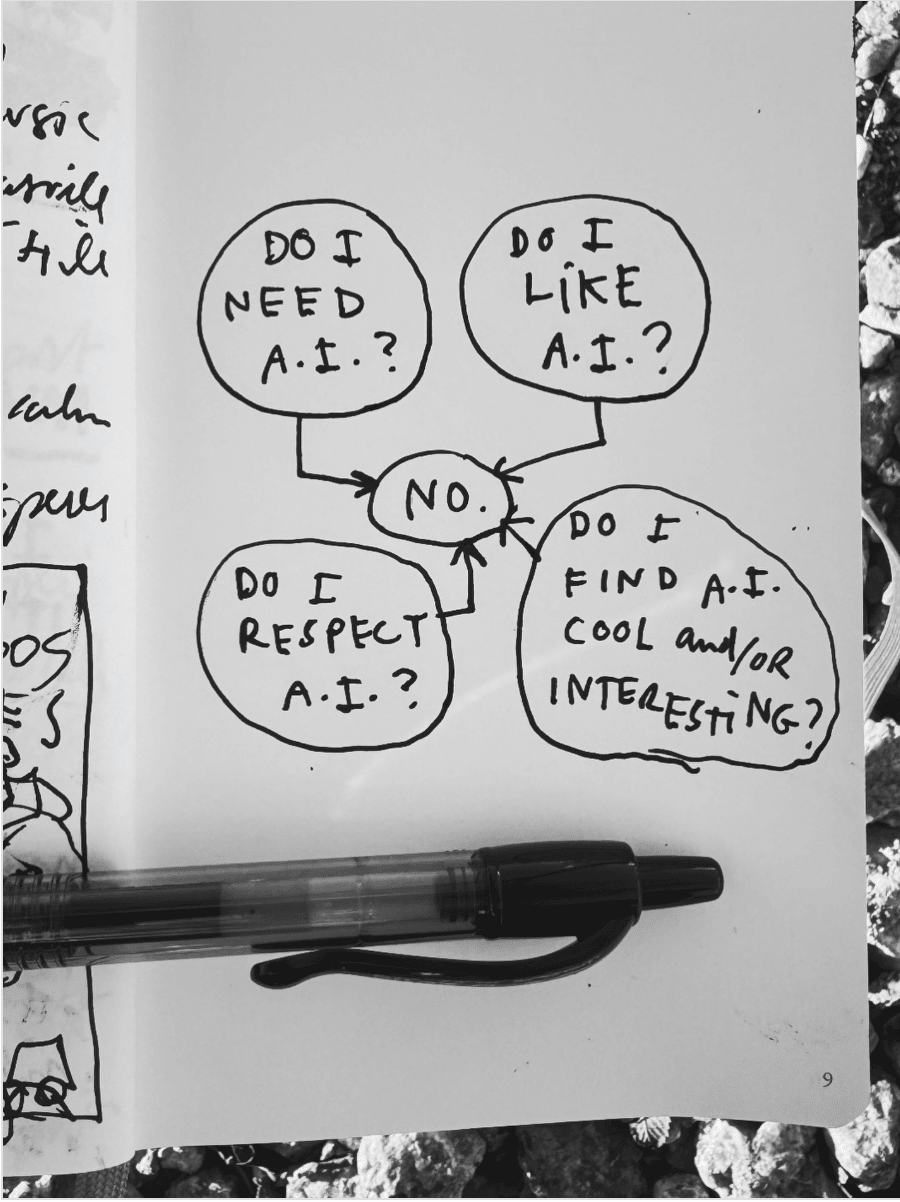
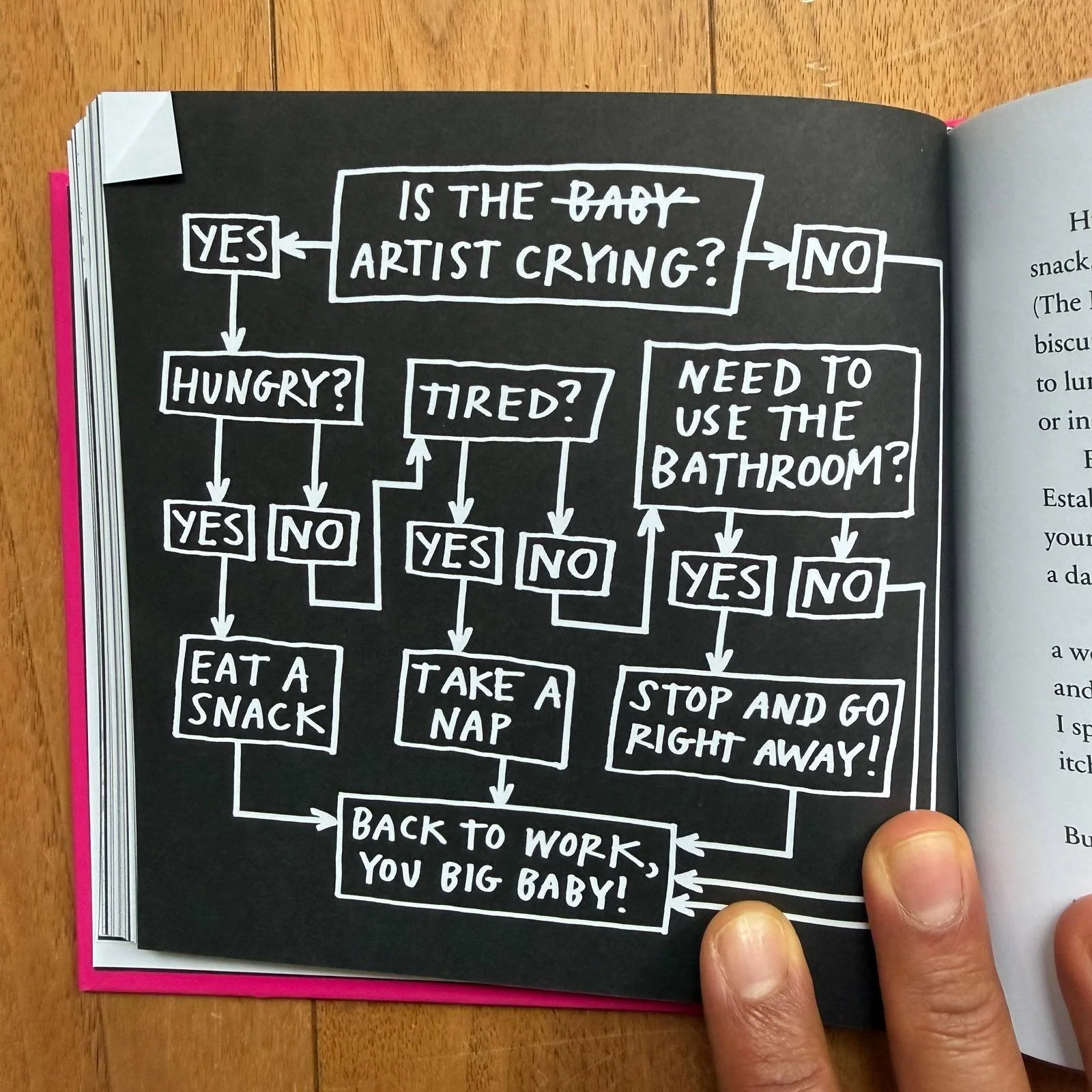
2. Don’t Call It Art by Austin Kleon (b.1983). “Make lots of stuff and put it in the world and see what happens,” Austin Kleon told me over #0 breakfast tacos in Austin, Texas back on Chapter 111 of 3 Books. And Austin sure does that well with his Substack and social media (“I use social media as a public notebook”) and endless parade of creativity-inspiring books! The man is a master of the pull-quote and the flow-chart. I remember when he drew this viral one on Instagram earlier this year about AI:
And here’s one that made me laugh from Page 102 of his new book:
Really, there was just one problem with ‘Don’t Call It Art’—I kept stopping and wanting to do something. Work on something. Close the book. Get going! Not a huge problem. But means reading the book in bits and pieces. Which is a fine way to read, of course. (You have the right to dip, the right to skip.) Ultimately, ‘Don’t Call It Art’ lowers the stakes and helps you get out of your own way when it comes to making art from your soul—the art you were destined to make. It has fun advice like focusing on quantity instead of quality (“if I sit down to make one perfect poem, I usually get a stiff, crappy poem that I will throw out, but if I sit down and try to make a big stack of poems, I’ll usually find at least one decent stanza in the stack.”) and taking more trips to the library (“The public library is a real space, away from the algorithm, where learning is self-directed, natural, and free.”). A gem.
3. Nine Stories by J.D. Salinger (1919-2010). There’s been much discussion in the book community lately about the decision to scrap mass market paperbacks completely. I love mass market paperbacks! Thick and chunky and perfect to slip into a backpack or a pocket. They have gravitas! We need them. I was shopping at Doug Miller Books in Toronto’s Koreatown lately when I found this vintage gem in a mass market paperback. Do you know this book? Salinger vanished from the literary scene after ‘The Catcher in the Rye’ and ‘Franny and Zooey’, so this stunning collection of nine short stories remains as one of his last published works of art. Several of the stories—this one, this one, and this one—left me staring frozen at my ceiling afterwards. They turn and twist your mind to taffy.
4. Vigil by George Saunders (b.1958). When George Saunders joined us on 3 Books, he told us his three most formative books were ‘A Christmas Carol’ by Charles Dickens, ‘Hadji Murad’ by Leo Tolstoy, and ‘Europeana’ by Patrick Ouředník. All three of those influences are right there in his wild, challenging new novel. ‘A Christmas Carol’ because this is a parable, on a dying man’s bedside, involving ghosts. Can’t get much closer than that! Our narrator is a spirit helping usher a wealthy oil baron towards the afterlife from his deathbed. The opening scene is vivid and exciting. Check out the opening line: “What a lovely home I found myself plummeting toward, acquiring, as I fell, arms, hands, legs, feet, all of which, as usual, became more substantial with each passing second.” What a hook. And then, yeah, there are hints of Tolstoy with the zooming in and out effect in Saunders’ writing. He goes big, he goes small, he goes everywhere. Finally, I felt ‘Europeana’, which is a wild stream-of-consciousness style work of art without any mental resting points … this book is the same. So many times I could have used a rest point! A chapter ending? A page break? Just one, George? But no! This is a massive 174-page gulp. Which wouldn’t be an issue if the plot wasn’t so tough. I could see incredible acrobatics happening on the highest possible wire—but often found myself squinting to try and follow the moves. I never disliked the writing, though. Each sentence could be plucked and studied in a writing class. Here’s a sample sentence from Page 69: “The gas stations were not the simple cubes of my time but garishly lit fortresses of glass, the enormous signs looming over them seeming to quarrel with one another by way of hideous scrolling slogans (“Special Henek 6-PAC $12 Fri-Mon Lotto-Mondo YES!!!”), the commerce proceeding therein possessing a fierce yet desultory quality, as if all pleasure had been wrung from the exchange, the money below changing hands with a feeling of mutual resentment, as if obtaining it had been too hard on the one side and the need for it too great on the other for any joy to pertain around the transaction.” And this is gas stations he’s writing about. I remember this simultaneous feeling of confusion and exhilaration six years ago when I read ‘Lincoln In The Bardo’ (04/18) and then proceeded to fall into his short stories which I still think are the place to start. To me it doesn’t matter if you go ‘Pastoralia’ (01/21), ‘Tenth of December’ (03/21), or ‘Liberation Day’ (11/22). All those short stories are like tasty amuse-bouches with a dozen fancy ingredients before signing up for this one—the full unstoppable tasting menu. I love George Saunders The Person, George Saunders The Writing, but found George Saunders This Book just a bit too much for me to properly handle.
5. Remember The Humans by Broken Social Scene. What’s this? A record? Yes, I figured it was time to throw in a musical interlude after a decade of books. What’s the occasion? Well, I do think you can fall in love with a place based on its soundtrack. Jen Agg famously creates individual playlists for each of her restaurants based on day of week and time of day! I love that level of fussy fastidiousness. (Btw Jen’s memoir ‘I Hear She’s A Real Bitch’ is worth the read! (06/19). Anyway, just as I was falling in love with McNally Jackson, two songs came on overhead that told me I was in the right place: ‘Float On’ by Modest Mouse (141M views, makes sense!) followed by ‘Anthems For A Seventeen Year Old Girl’ by Broken Social Scene (784K views, horribly underrated!). From there, I looked up Broken Social Scene on Spotify and discovered THEY’D JUST RELEASED THEIR FIRST NEW ALBUM IN LIKE A DECADE. The Toronto-based “baroque indie rock collective” is back with an album I found myself listening to on repeat all month. Over twenty different instruments —flutes! tambourines! flugelhorns!—beautifully textured into wonderful soundscapes with their exceptional crew of musicians. When you turn on the album it feels like you stepped into the practice room of an orchestra before they go onstage. Twisting lyrics, lush production, endlessly surprising sounds and melodies, all drained through the wisdom of years, of life. I overthink sometimes. Do you? Tell me what you do about it! One thing that helps me zone out is a great new album to listen to over and over and over again. If you want a break from yourself, close your eyes and let this take you somewhere else. Gets better on the second, third, and fourth listens. Wonderful to spin on vinyl, Spotify, Apple, or YouTube.
6. Akissi: Tales of Mischief by Marguerite Abouet (b. 1971). Illustrated by Mathieu Sapin (b.1974). Read any good African graphic novels lately? Me neither! And I knew close to nothing about Côte D’Ivoire, the Western African country bordered by Guinea, Liberia, Mali, Burkina Faso, Ghana, and the Atlantic Ocean. This graphic novel was written by Marguerite Abouet, who grew up in the largest city of Abidjan. It has such a wonderful sense of place. Here’s the opening page:
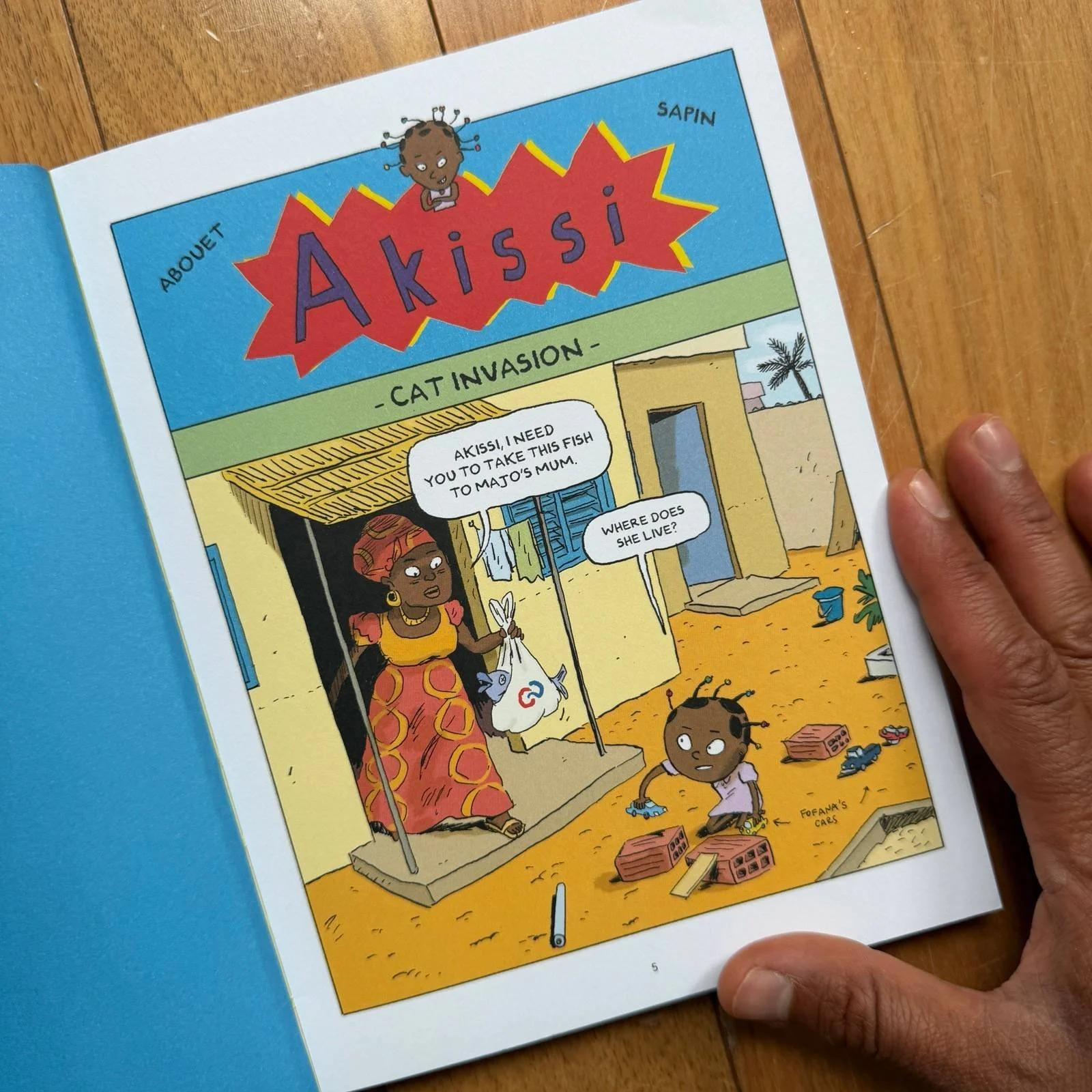
There’s about 20 six-page stories telling tales of Akissi getting lost taking a fish to a neighbor, losing her pet monkey, taking care of a baby that crawled into her yard, and accidentally squishing her pet mouse under her pillow. A colorful, transporting, and comedic look into a faraway life. Billed as ‘for ages 8-12’ but great for everyone.
7. Steal The Show: From Speeches to Job Interviews to Deal-Closing Pitches by Michael Port (b.1970). I saw Michael Port speak years ago and was blown away by how theatrical he was. He used the whole stage, not just the front, and he was delivering content while acting and role-playing. It was a mesmerizing performance. I recently went back and revisited his wonderful 2015 guidebook to crafting, developing, and delivering a great speech. He shares ideas for creating trust with audiences, framing questions, improvising on stage, and a process for writing a new speech from scratch. Not everything will resonate! I don’t agree with Port’s strategy to “guarantee a standing ovation”—namely, get them to stand for some other reason before closing your speech LOL—but mixed into lots of advice that may not work for you is lots of advice that will. Pair with my article ‘The 3 E’s of a Great Speech’ and the wonderful ‘How To Develop Self-Confidence and Influence People by Public Speaking’ by Dale Carnegie (09/22).
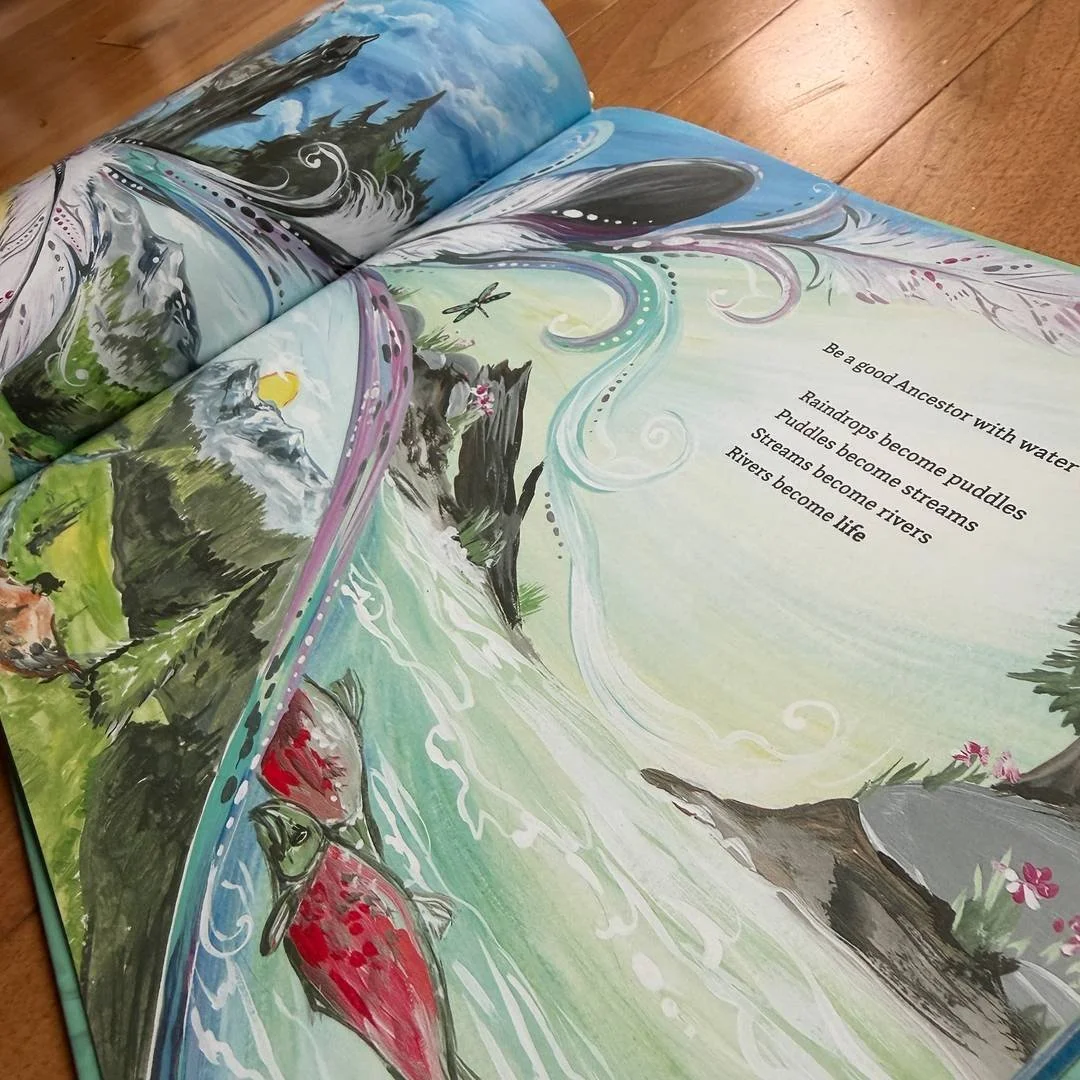
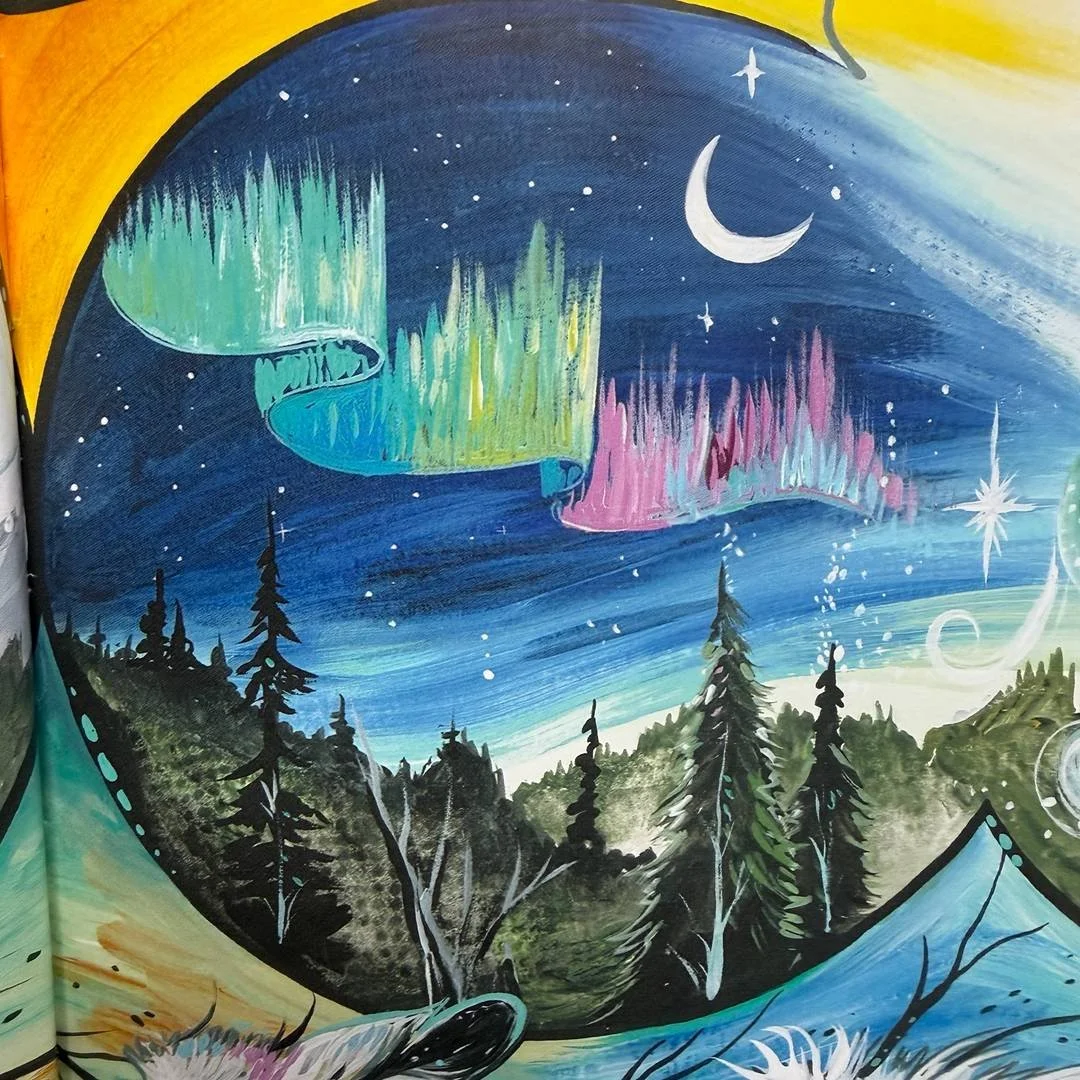
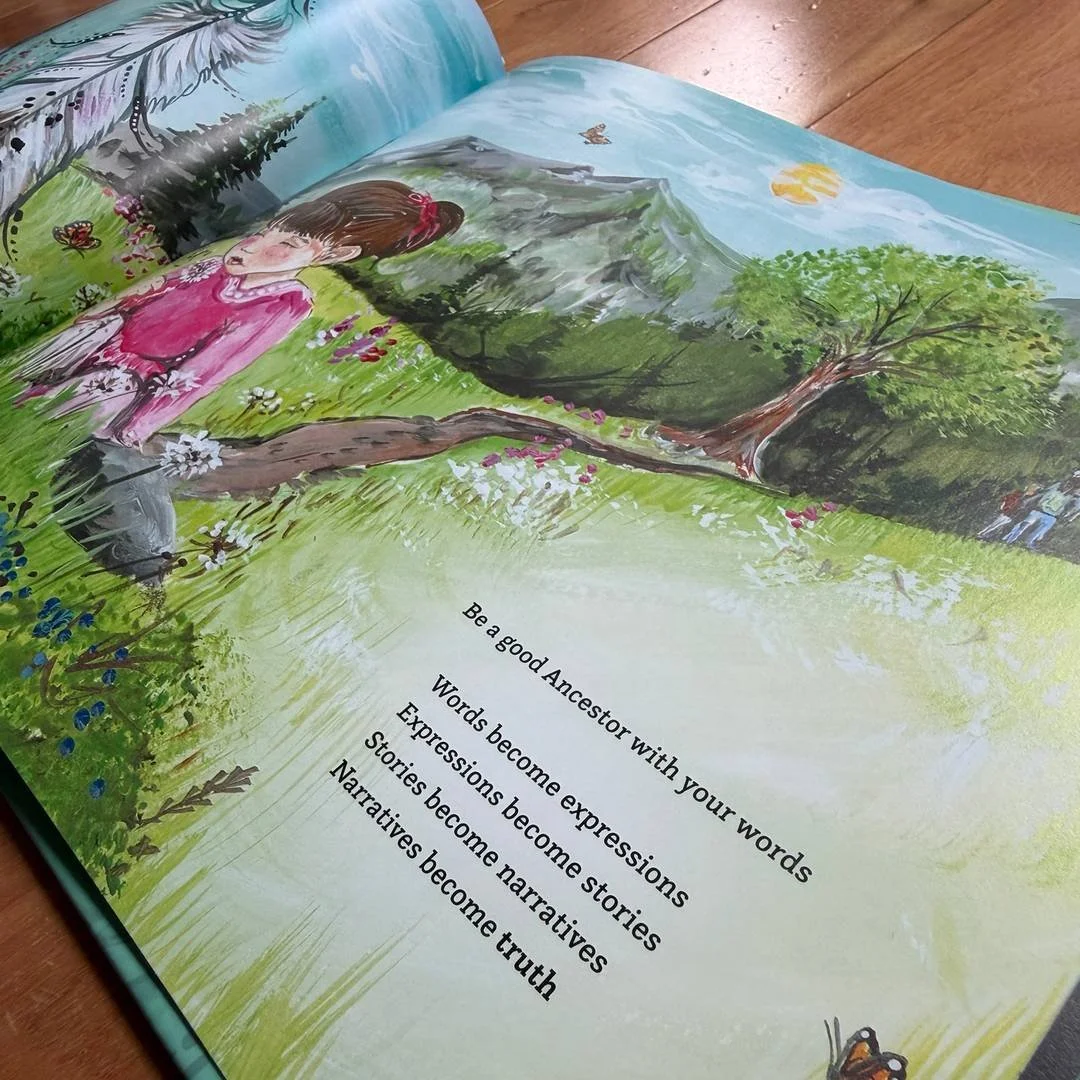
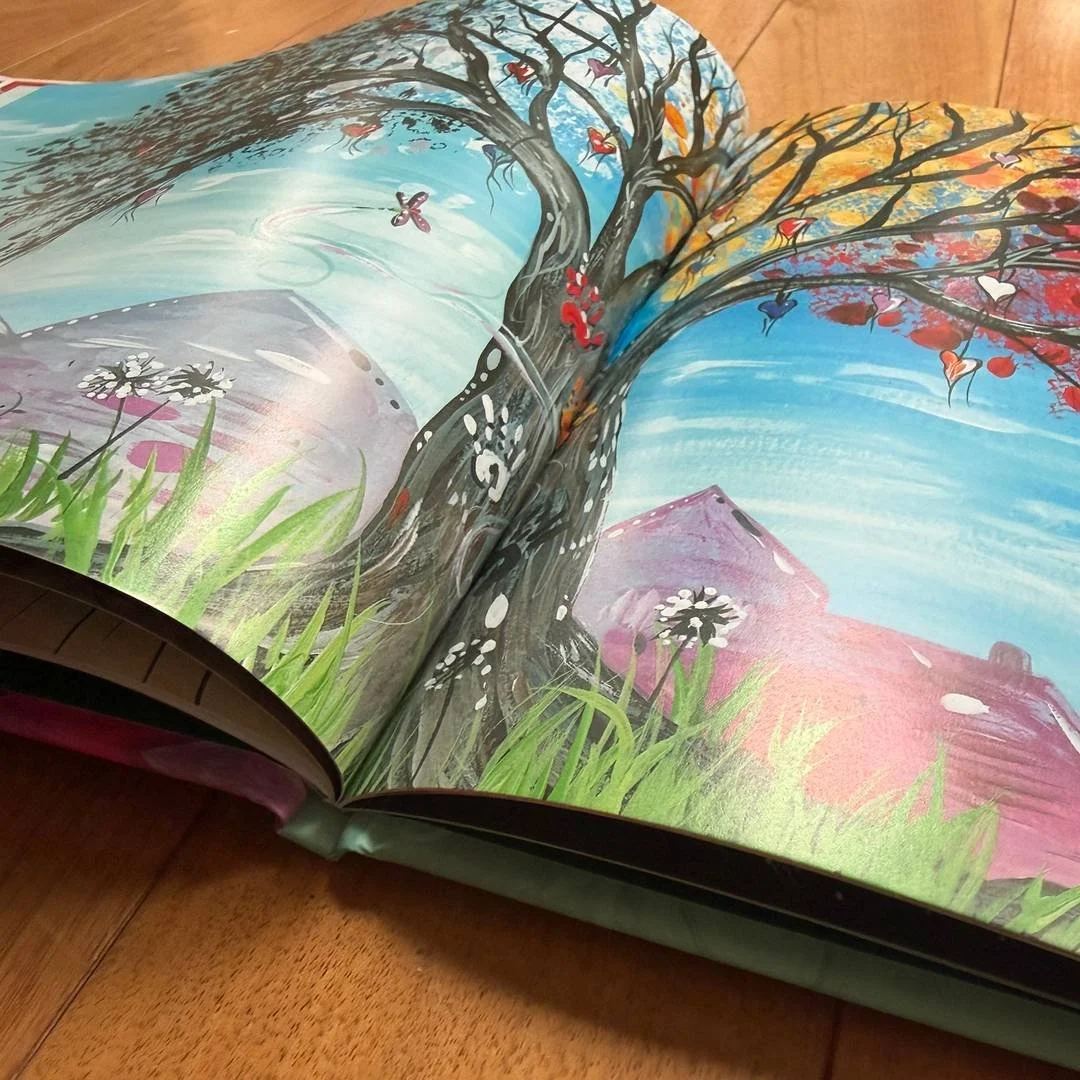
8. Be A Good Ancestor by Leona Prince and Gabriella Prince. Illustrated by Carla Joseph. I went as a parent chaperone to my son’s second-grade field trip up at Todmorden Mills on the side of the winding Don Valley Parkway. What began as a lumber mill in the 1790s is now a museum that hosts school classes where kids are split into groups and taught to filter water, find tiny organisms in pond water, and take mindful walks through the woods. On ours, we spotted a muskrat that had met its doom and a Black-crowned Night Heron standing still at the edge of a pond. Our hosts began the field trip by reading from this wonderful children’s book which begins: “Be a good Ancestor with water. Raindrops become puddles / Puddles become streams / Streams become rivers / Rivers become life.”