
Early in our relationship the majority of conversations I had with Leslie were … 1 on 1.
Morning breakfasts, walking to the grocery store, coming back to my apartment, making a bowl of pasta.
We had one long conversational river flowing in the background of our lives. It was a beautiful river! In some ways life is just one long conversation and you may have met your soulmate if you notice when you're together you're always having the best conversation of your life.
That was—and still is—certainly the case with Leslie.

Then sometimes the conversation would hit bigger topics—serious stuff! rocks in the river!—but we would (usually) navigate them easily because they came up organically with lots of lighter topics, lots of easy-flowing stuff, always around them.
Things changed after we had kids.
With babies then toddlers then little kids around us all the time our 1 on 1 "endless river conversation" changed to exclude rocks when the kids were around.
Our kids didn’t need to hear about property tax due dates, complex work emails needing careful response, or whether we should cancel a vacation to accept a wedding invite.
As a result we’d save these thoughts, these conversational rocks, until when we were, once again, 1 on 1.
And when was that?
Almost always … right before bed.
Say I put the 5- and 3-year-olds to bed, nearly falling asleep myself reading 'Elephant & Piggie', lying in the crack between their two single beds, squeezed up against each other. Meanwhile Leslie’s down the hall breastfeeding the baby in the rocking chair before gently laying them into the crib.
Kids finally asleep! Kiss them on the cheek! Then I tiptoe up the stairs to our room and find Leslie … not there yet, still with the baby … or getting ready for bed, maybe actually in bed, teeth brushed, reading her book with her mouthguard in, waiting for me to join her.
And then?
In that relaxed state?
In that calm nearly-asleep zone when we were finally 1 on 1?
"Did you transfer money to cover the property tax?"
Or:
"Did you see that prickly email I forwarded you from Kwami?"
Or:
"How badly do you really want to go to your cousin’s wedding?"
Here come the rocks!
Only problem is these tougher conversations require calm minds, patient listening, and deep emotional reserve … but were coming up precisely when we had the least amount of any of those things!
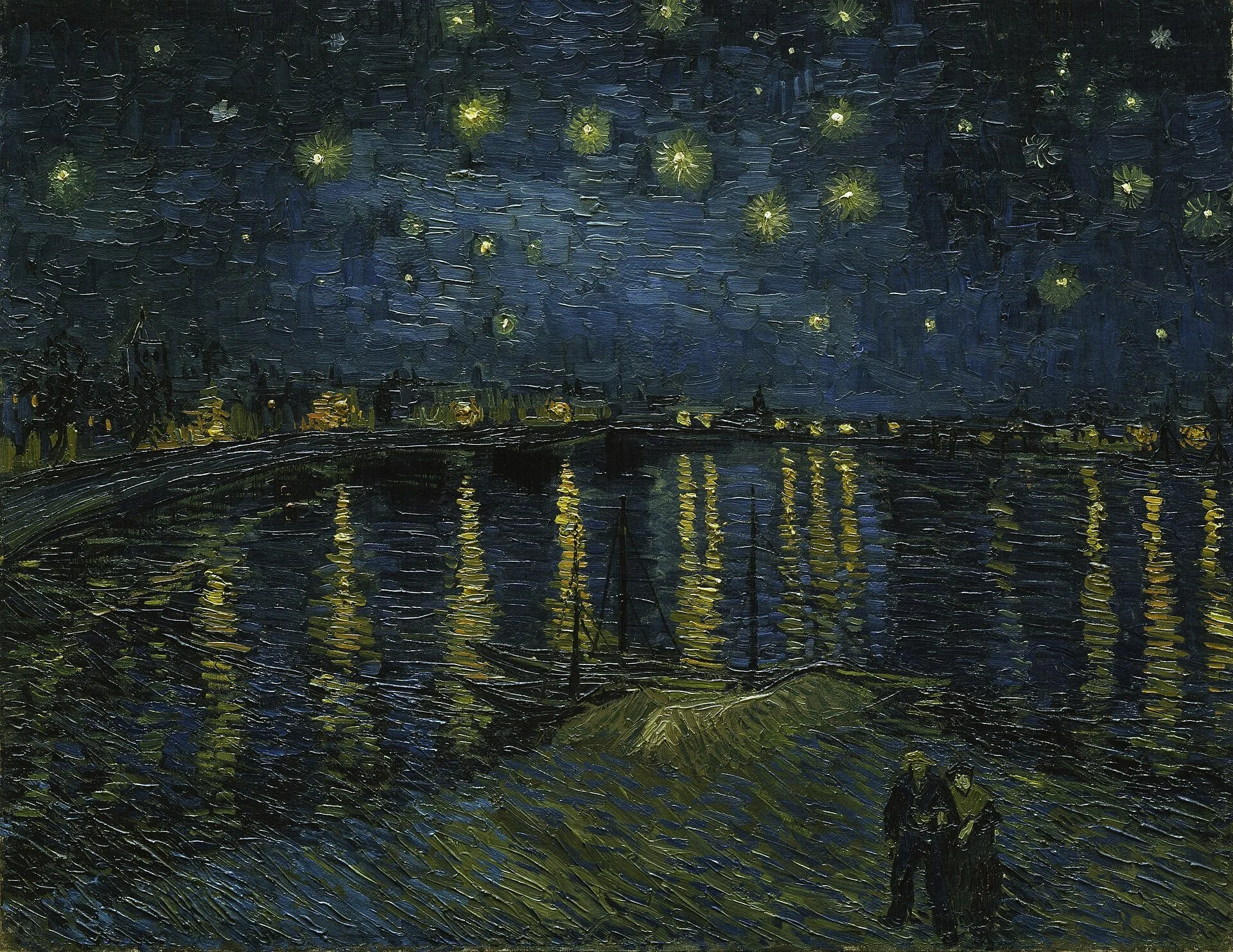
(Sidenote: It's worth pointing out that for us, it was avoiding addressing these rocks around the kids that allowed them to jam up the waterways. But for others it might be opposite timed shiftwork, endlessly pestering late-night texts from the boss, etc.)
What would happen then?
Arguments.
Fights.
And, you know, not the positive ones, healthy ones, rational-debate-with-open-mind type ones, either.
More ... the other kind.
That loopy repeating-everything-you-just-said-except-louder kind where when you look back at what you said even later at night (or the next morning) you just grimace, feel a knot forming in your stomach, and start crafting an apology.
And, you know, thankfully, we always got to the apologies.
But, yuck, that fight?
Why did it happen?
Tired and sleepy brains hitting rapids with jagged rocks without much easy-flowing water is a recipe for stressful chats (Gordon, Chen, 2013) that end in spinning frustrations and overthinking loops.
Call it bumping into a rock.
Hole in the canoe!
After doing this several times—okay, many times—Leslie invented a phrase we started using whenever we needed to say something like "Sorry, but the cognitive requirements of this conversation are greater than my current ability to handle them."
What was her phrase?
"I’m dead to the world."
That’s it.
"I’m dead to the world."
To be used by anyone—anytime they need it!
"I’m dead to the world."
Said as soon as you see the other person!
"I’m dead to the world."
It's a calm and non-offensive way to say "Look, I’m sorry, but my thinking brain is closed for the day. I can’t talk about anything serious right now. Don’t bring anything from out there—the world!—in here right now because while I appear awake I won’t be soon and I don’t have capacity to discuss anything. I am … alive, yes, here, yes, with you, yes … but I’m also … dead to the world."
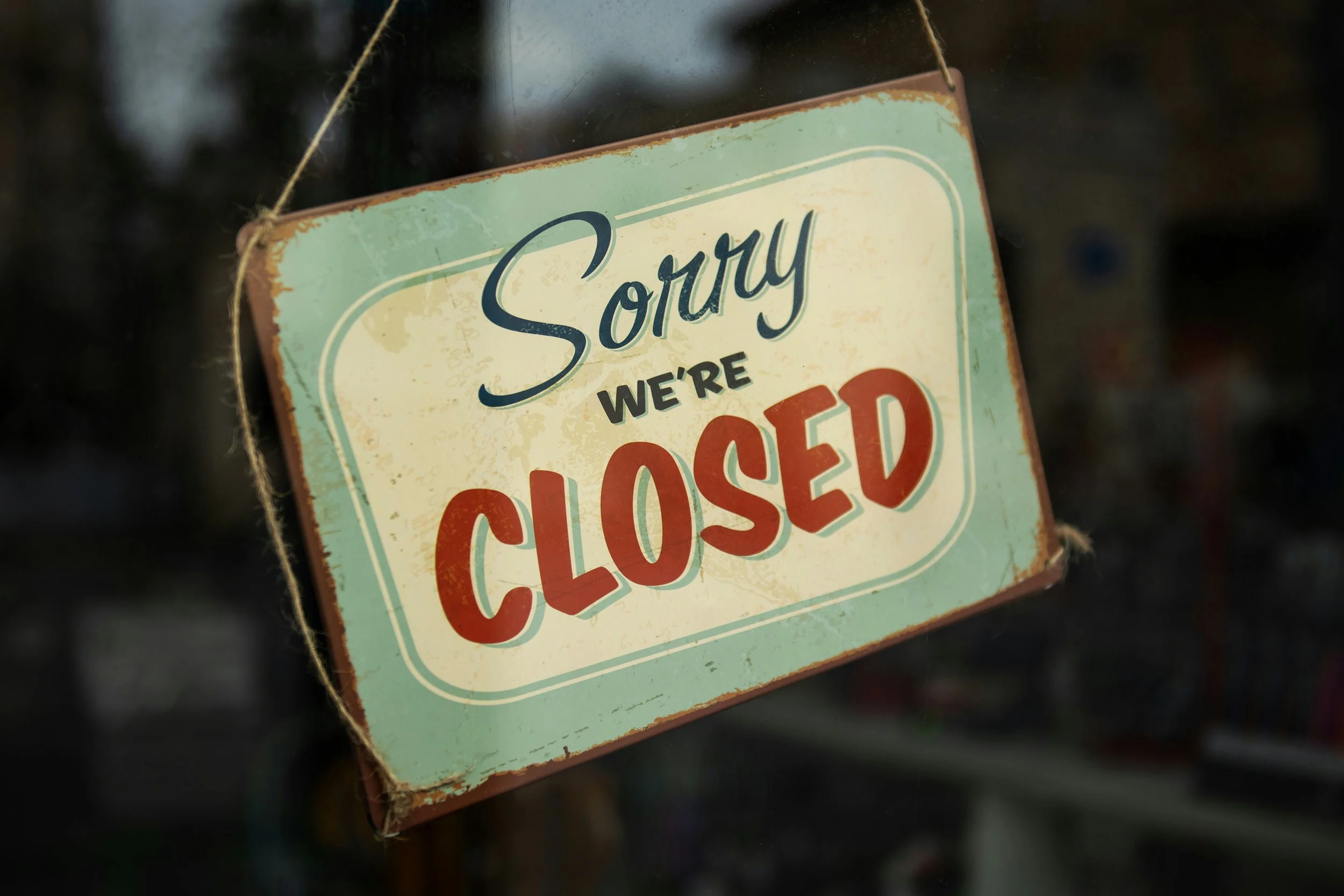
Also: one side benefit of this phrase is that it helpfully sidesteps the reasons for not talking ... changing the question from why or what to when.
"It’s not you I don’t want to talk to. It’s not even this topic I don’t want to talk about. It’s just that this timing doesn’t work for me."
When one of us deploys this phrase we know right away … that’s it! Pull the canoe out of the river. You can do other things. Sweet nothings. Two-minute evenings. Massages. You get the picture. But discussing tax payments, work emails, changing vacations? Not allowed!
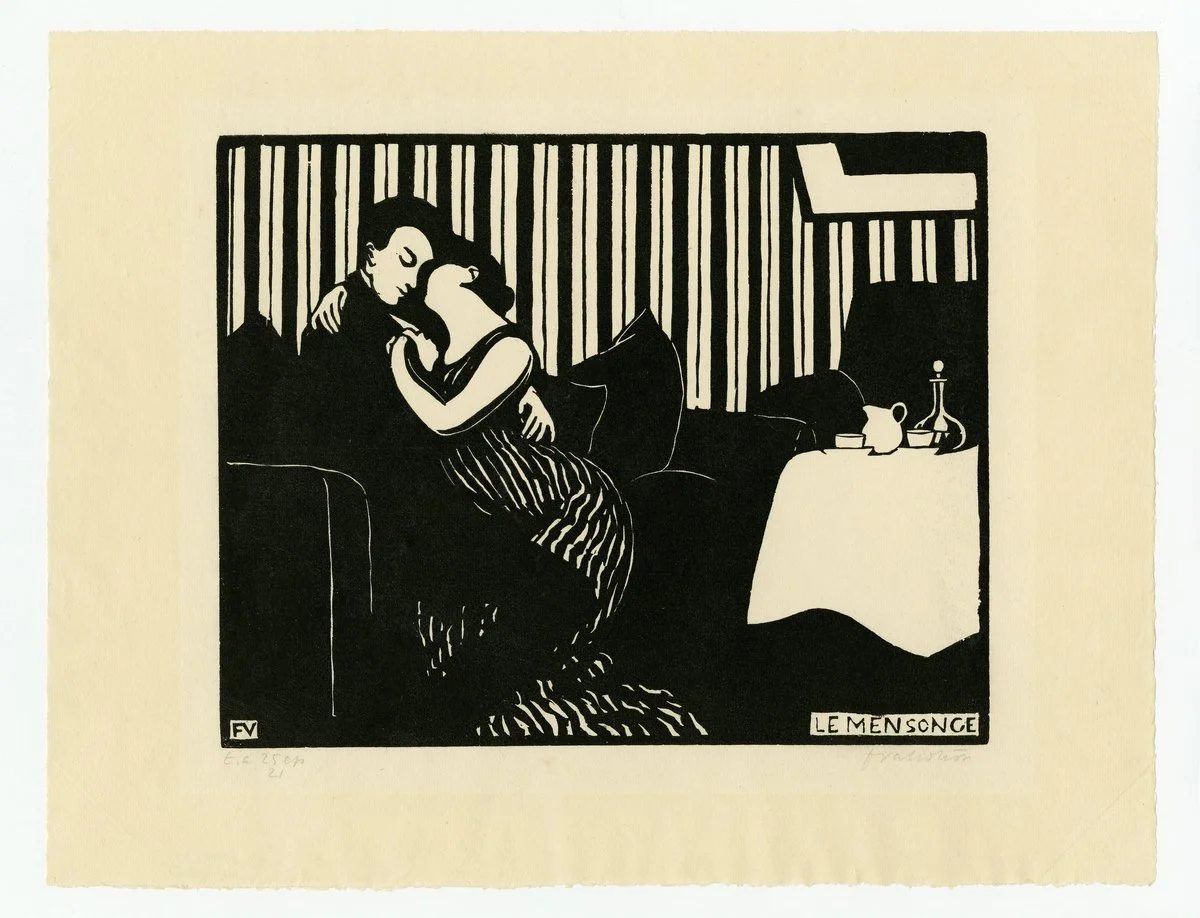
Le Mensonge by Félix Vallotton, Woodcut, 1897